

DWI-Approved Lamella Separators
Bridging the Gap Between Innovation and Potable Water Compliance
The water sector does not lack innovation. Across treatment works, networks and process assets, new technologies are being developed to improve performance, reduce footprint, lower carbon and deliver better whole-life value.
But in potable water, technical promise is only part of the story.
For drinking water applications, the real test is whether a technology can move from concept to accepted asset. It has to be suitable for contact with public water supplies, capable of being specified with confidence, integrated into existing process streams, operated by site teams, and maintained without creating avoidable compliance risk.
That is why regulatory acceptance is often the real gatekeeper.
In England and Wales, Regulation 31 applies to chemicals, construction products and materials used by water undertakers from the source of the water through to the point of delivery to the consumer’s building. The purpose is to ensure that such products and materials do not prejudice water quality or consumer safety.
For utilities and consulting engineers, this matters because no amount of theoretical performance benefit can compensate for uncertainty around drinking water compliance.
The gap between innovation and adoption
Many “new” technologies perform well in principle. Some perform well at pilot scale. Fewer make the transition into routine specification across potable water assets.
The reason is not usually a lack of ambition. It is risk.
A potable water treatment works is not an idealised test environment. It is a live, regulated process asset where hydraulic loading, raw water variability, chemical dosing, sludge handling, downstream filtration, disinfection, operator access, maintenance regimes and outage windows all have to be considered together.
This is where the industry’s innovation narrative needs to mature. In potable water, innovation is not simply about novelty. It is about deployability.
A technology may offer a smaller footprint or improved separation efficiency, but the questions that matter to the asset owner and designer are more practical:
Can it be approved for use in public water supply?
Can it be integrated into the existing treatment process?
Can it meet the required flow envelope and solids loading?
Can it maintain performance under variable raw water conditions?
Can sludge be removed reliably without impacting operation?
Can it be inspected, cleaned and maintained safely?
Can it be delivered within the programme and site constraints?
Can it be specified without introducing unnecessary risk?
DWI approval is not a tick-box — but it is not a performance certificate either
There is an important distinction that technical audiences will recognise.
DWI approval under Regulation 31 should not be presented as a blanket endorsement of process performance. The approval process is focused on whether the use of a product or substance could adversely affect water quality or create a risk to consumer health; it is not a general certification of fitness for purpose or treatment performance.
That nuance matters.
For consultants, process engineers and utility stakeholders, DWI approval is powerful because it removes a major compliance barrier. It signals that the product has passed through the regulatory acceptance route for use in contact with drinking water, subject to the relevant approval conditions, instructions for use and ongoing validity requirements. The DWI’s approved products list also states that approved products must be used in accordance with their specific approval conditions and instructions for use.
So the correct technical argument is this:
DWI approval does not replace engineering judgement.
It enables engineering judgement to proceed with confidence.
Performance still depends on correct process design, hydraulic loading, settlement area, plate configuration, upstream conditioning, sludge management and site-specific integration. But without regulatory acceptance, even a technically attractive solution can remain difficult to specify for potable water.
Why lamella separation remains highly relevant
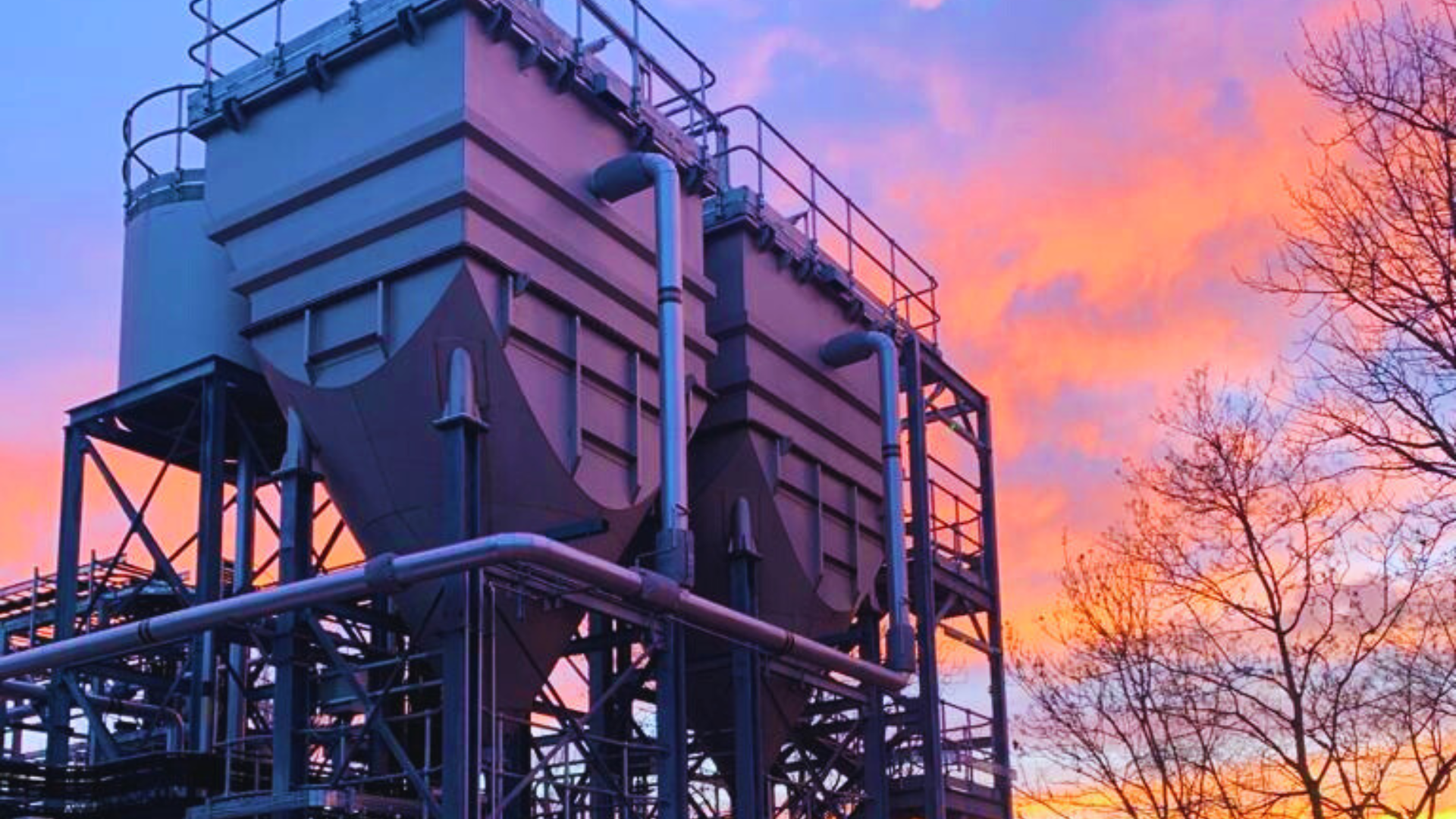
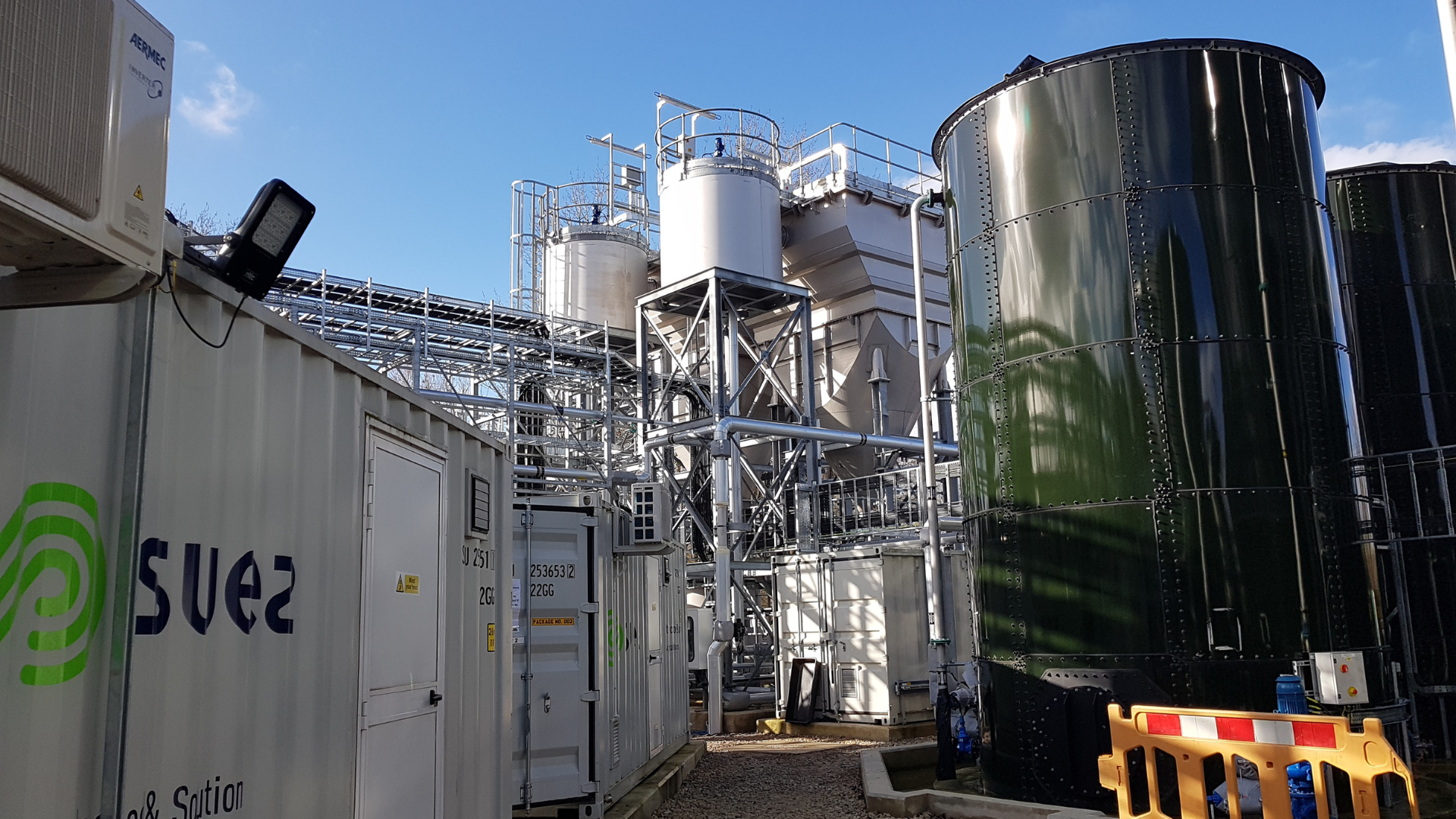
Lamella separators are not experimental. They are a well-established high-rate clarification technology used to increase effective settlement area within a compact footprint.
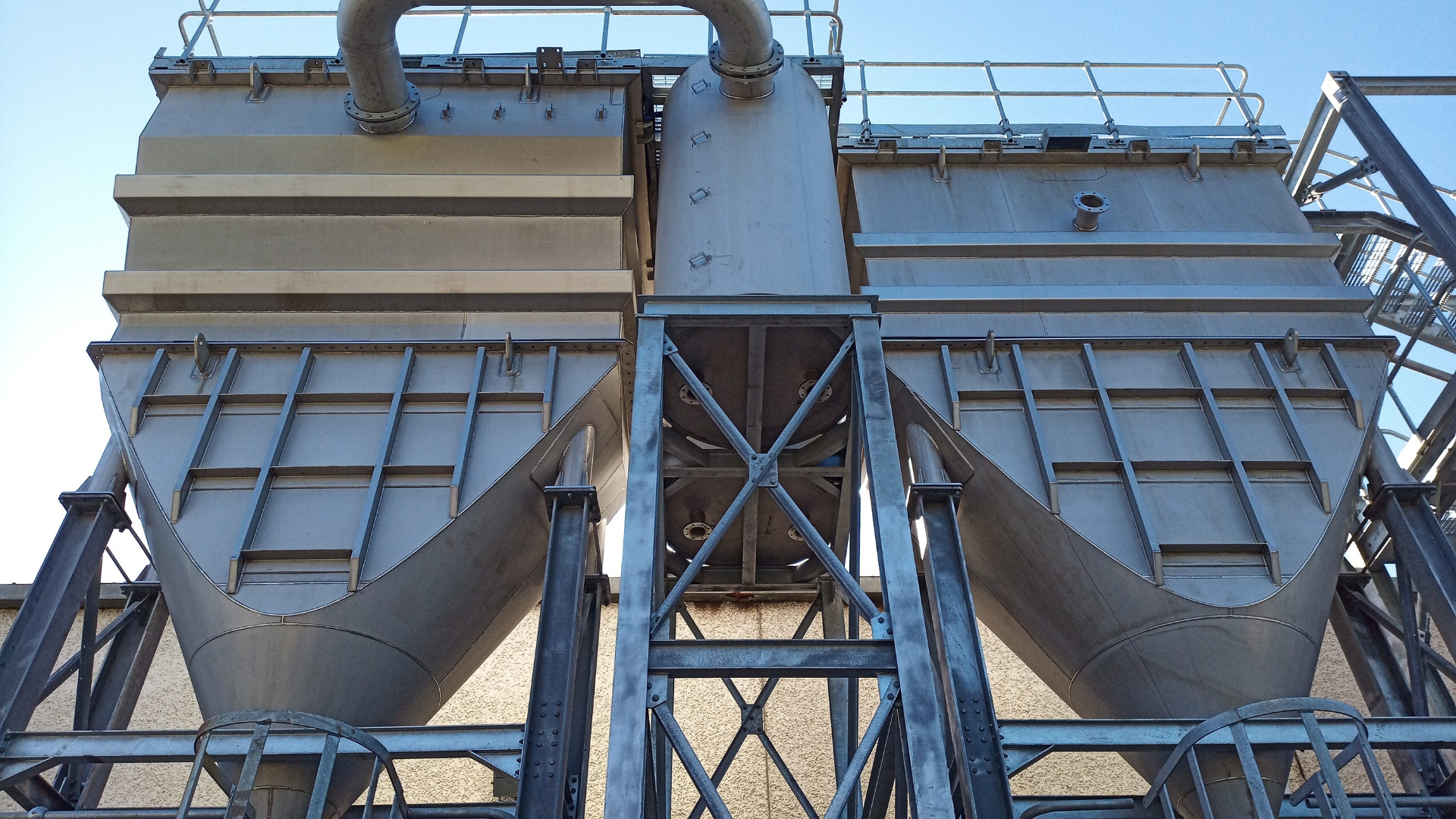
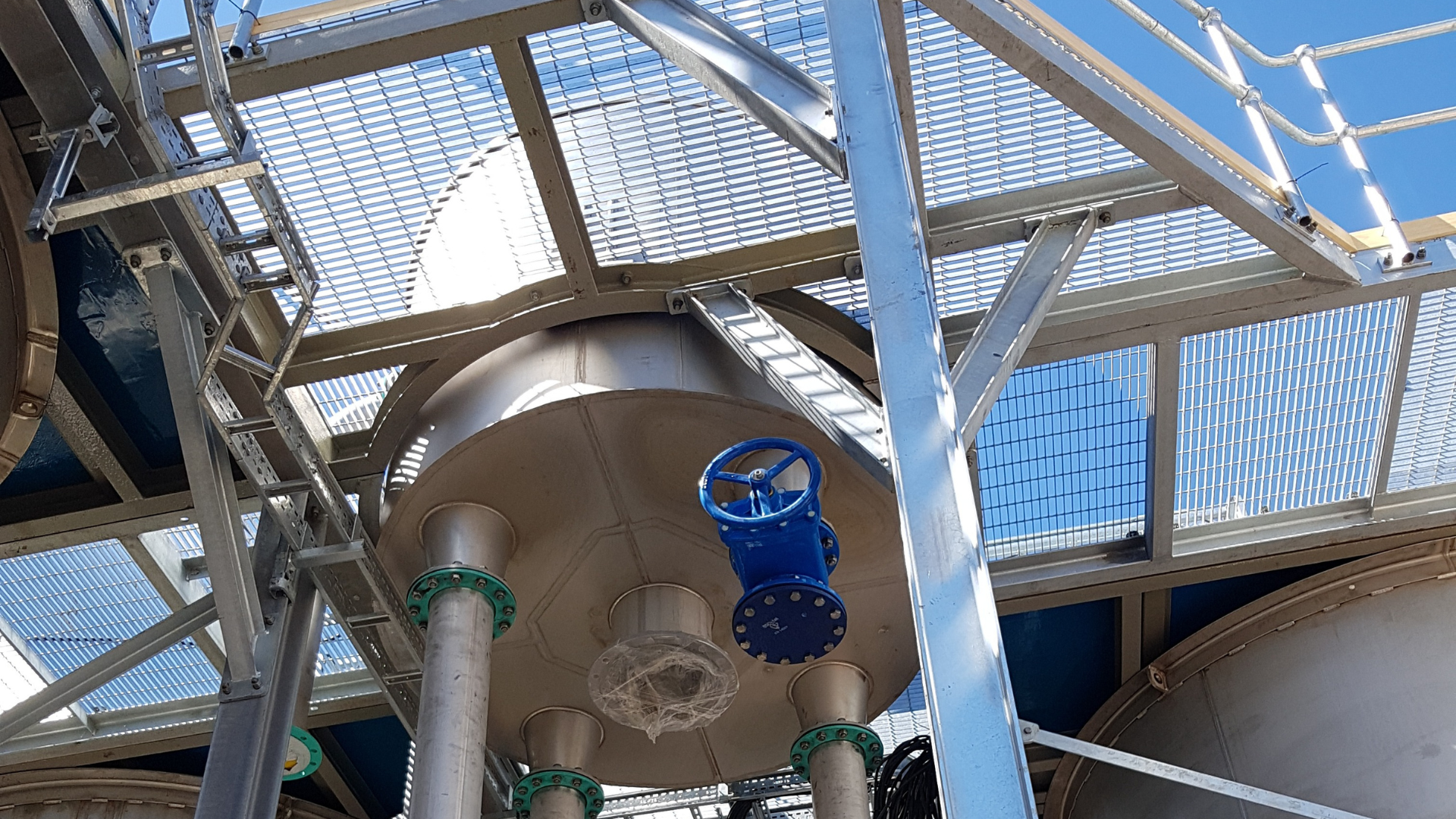
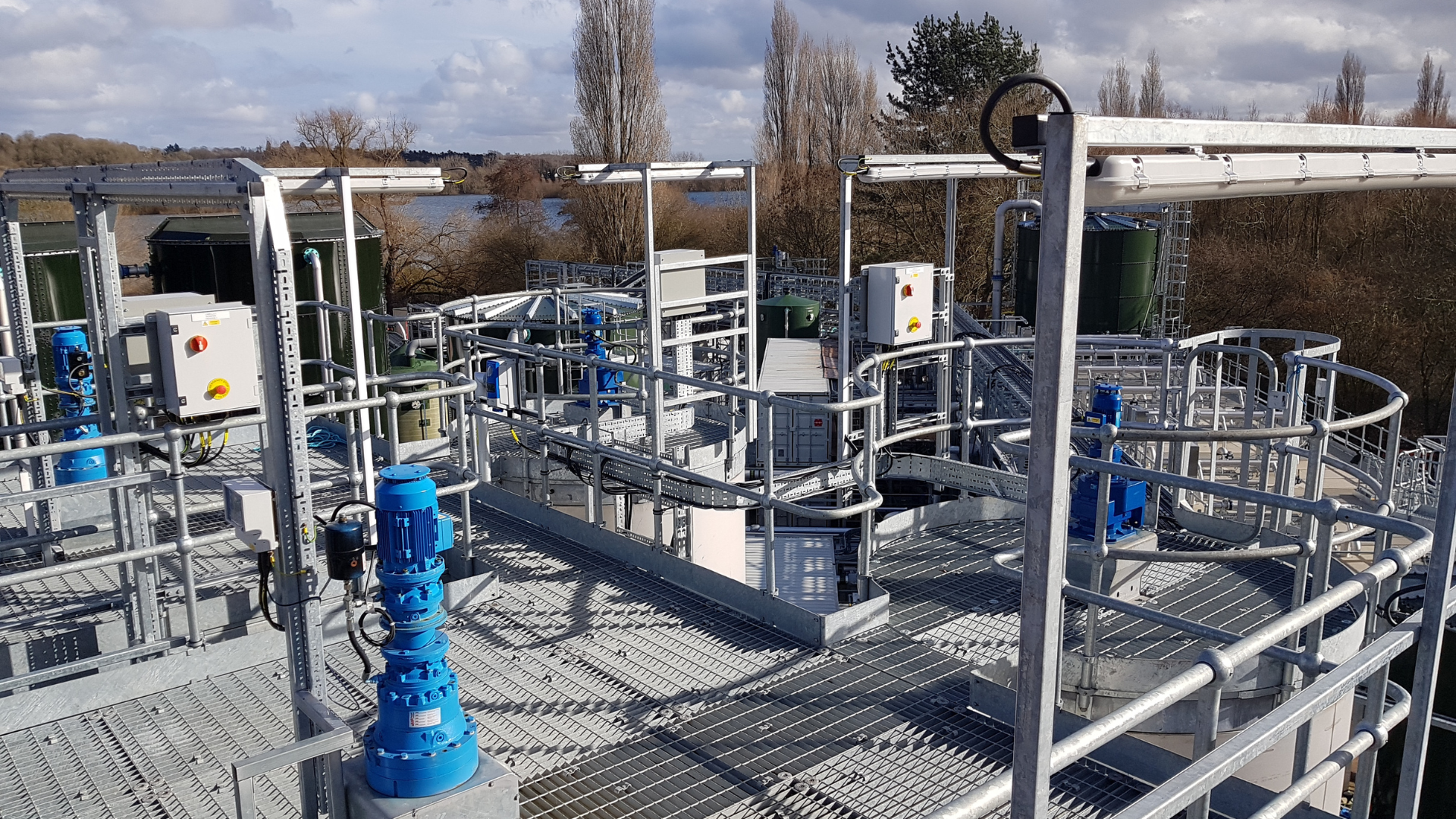
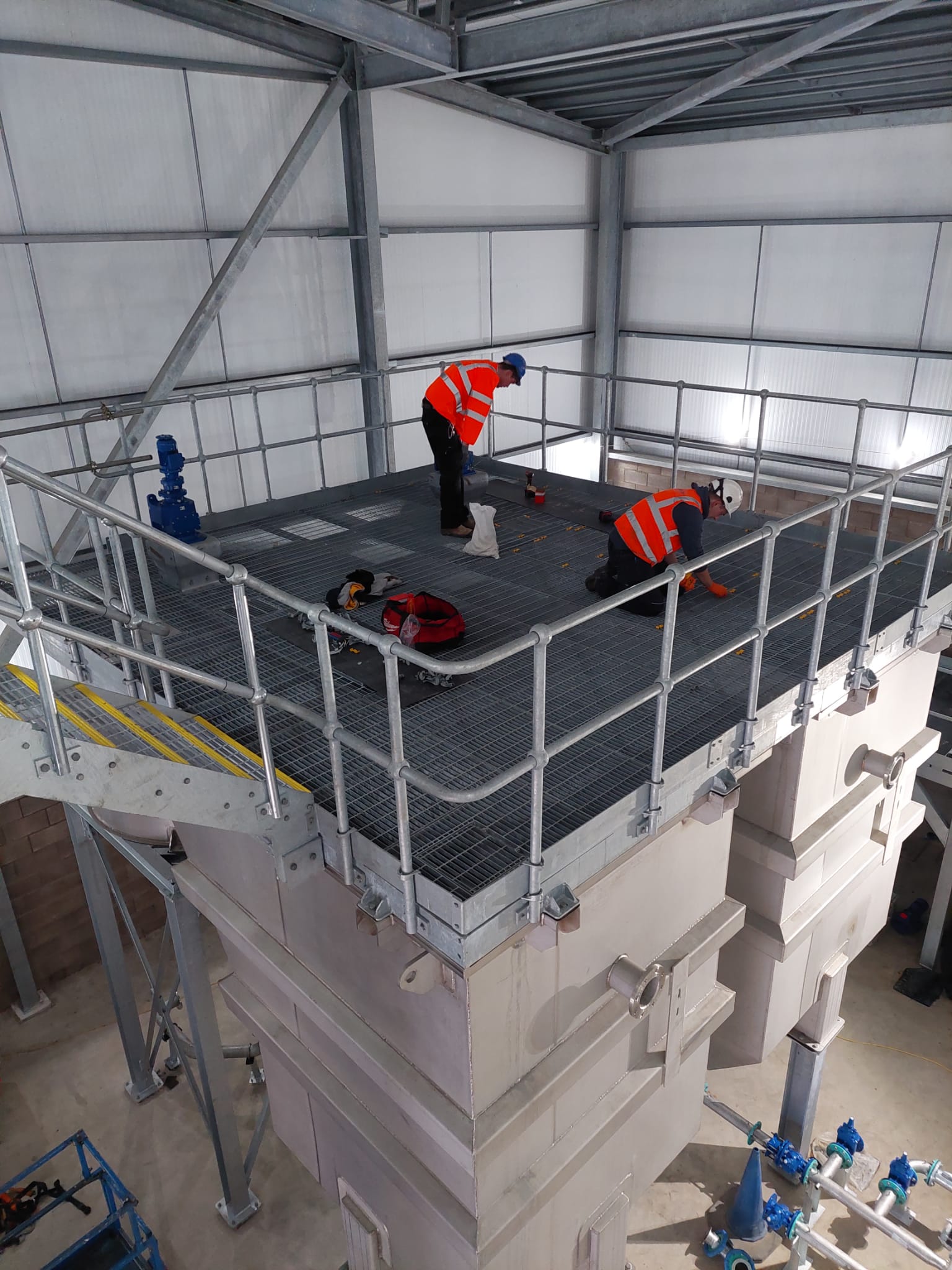
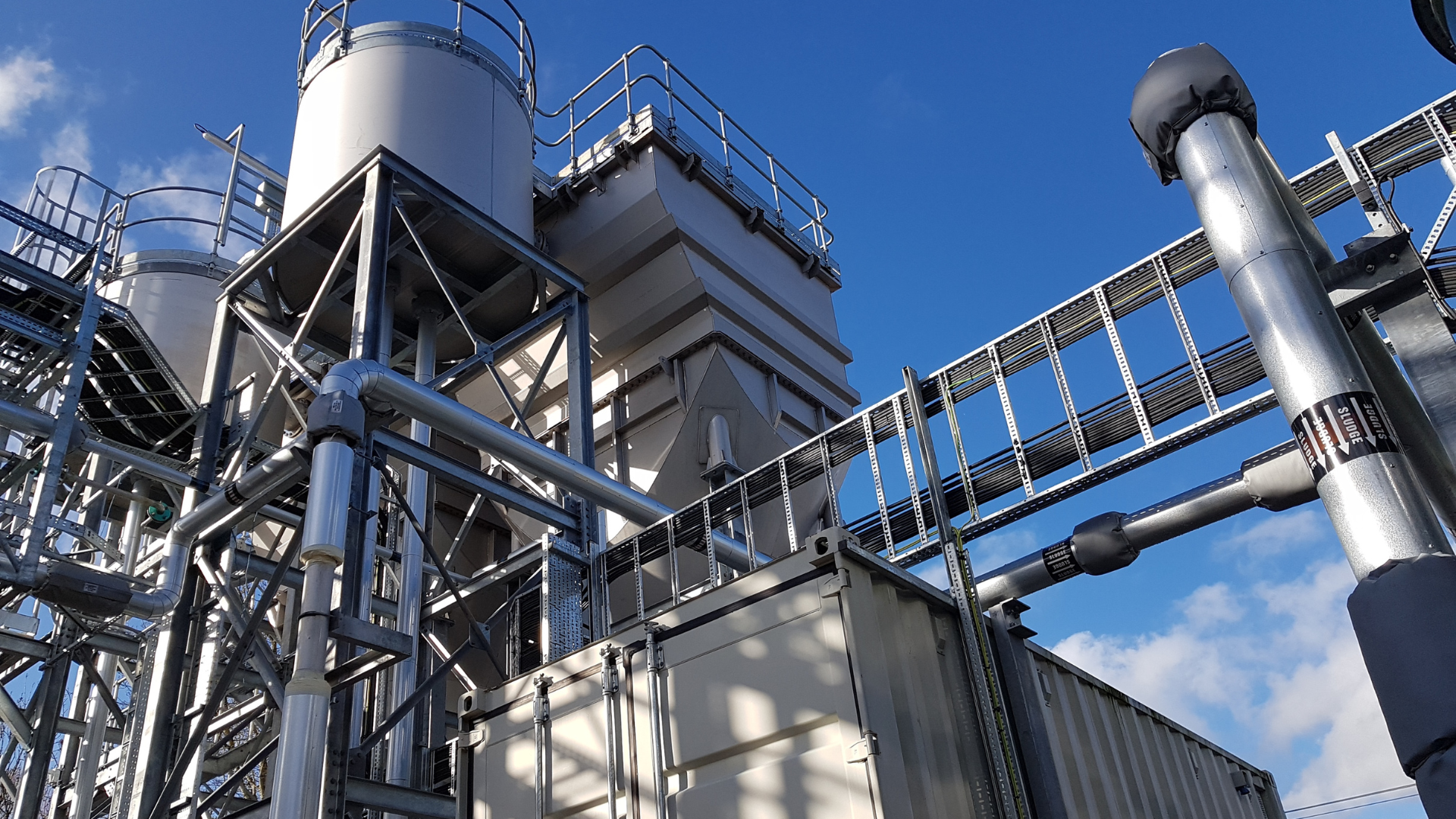
The principle is straightforward. Instead of relying solely on a large horizontal settlement tank, lamella systems use inclined plates to reduce the settling distance for suspended solids and increase the effective clarification area. Preconditioned water enters the plate pack, solids settle onto the inclined surfaces, slide down into a sludge collection zone, and clarified water exits from the top of the unit, typically over an adjustable weir. Colloide describes the key engineering variables as path length, plate spacing and plate angle, with the plate pack configuration selected to suit customer and process requirements.
For potable water treatment, that design logic is particularly valuable where projects involve:
> existing works with limited available footprint
> increased clarification capacity requirements
> raw water with variable suspended solids loading
> pre-treatment ahead of filtration
> treatment upgrades where civil construction needs to be minimised
> asset refurbishment where process capacity must be improved without major site expansion
> schemes where programme, outage and buildability constraints are as important as process performance
In these scenarios, the value of lamella technology is not just that it can separate solids. It is that it can provide high-rate clarification in a compact, engineered package that is easier to integrate into constrained treatment works than traditional settlement approaches.
Why specification confidence matters
For a consultant, specifying a potable water process unit is not simply about selecting a treatment technology. It is about managing technical, regulatory and delivery risk on behalf of the client.
A lamella separator must therefore be assessed against more than headline flow capacity. The specification conversation needs to cover:
- hydraulic loading rate and upward flow velocity
- effective projected settlement area
- influent suspended solids and expected solids capture
- coagulation and flocculation requirements upstream
- plate angle, spacing and cleanability
- distribution across the plate pack
- sludge hopper geometry and withdrawal arrangements
- scum or floatables management, where relevant
- access for inspection and maintenance
- material selection for potable water compatibility
- controls, instrumentation and alarms
- integration with downstream filtration and disinfection
- factory testing, site installation, commissioning and operator training
This is why regulatory approval and engineering delivery capability need to be considered together. A DWI-approved product gives the specifier a clearer compliance route. A capable engineering partner ensures that the product is designed, installed and commissioned around the specific treatment challenge.
Where Colloide fits
Colloide’s position is strongest when framed around three words: proven, compliant and deployable.
Colloide are one of a small number of Lamella Separator Package suppliers included in the DWI list of Approved Products and Processes for use in Public Water Supply. That gives utilities and consultants a more practical route to considering lamella separation for potable water schemes where regulatory acceptance is a prerequisite.
This is not about presenting lamella separators as a speculative innovation. It is about positioning them as an established clarification technology with the compliance status and engineering support needed for real-world potable water projects.
Colloide’s wider water-sector credentials strengthen that message. The company works with major water companies across the UK and Ireland and provides water and wastewater treatment technologies and solutions across design, construction, installation, commissioning, maintenance and project management. Its current water and wastewater portfolio includes lamella clarifiers and settlers, alongside technologies such as, media filtration, dynamic sand filters, membrane filtration, SBR plants, scraper systems and dosing systems.
That matters because utilities are not just buying a tank or a plate pack. They are buying confidence in process integration, delivery, support and long-term operation.
Get in touch.
Discuss DWI-approved lamella separators with Colloide today!
A practical route through the compliance barrier
The potable water sector needs innovation, but it needs innovation that can survive contact with regulatory scrutiny, procurement processes, site constraints and operator reality.
For lamella separators, the technical case is clear:
- they increase effective settlement area within a compact footprint
- they support high-rate clarification
- they can be configured around site-specific hydraulic and process requirements
- they can be integrated with upstream flocculation and downstream treatment stages
- they offer a practical option where conventional settlement would require more space or civil intervention
For Colloide’s DWI-approved lamella separators, the commercial and specification case is equally important:
- they are not an unproven concept
- they are not a high-risk trial technology
- they are already aligned with the regulatory expectations of potable water applications
- they are supported by a company with established water-sector design and delivery capability
That combination is what moves a technology from “interesting” to “specifiable”.
The messages for utilities & consultants
For utilities, the question is not whether the sector should innovate. It must.
The question is how to innovate without adding unnecessary risk to public water supply.
A DWI-approved lamella separator gives asset managers, process teams and capital delivery teams a way to consider improved clarification performance while keeping compliance, operability and delivery certainty at the centre of the decision.
It is particularly relevant where the challenge is not simply treatment performance, but the combination of performance, footprint, programme and live-site integration.
For consultants, the value lies in specification confidence.
When developing optioneering studies, outline designs, design-and-build specifications or framework solutions, a DWI-approved lamella separator allows the design team to consider compact clarification without starting from a position of regulatory uncertainty.
The specification can then focus on the engineering fundamentals: flow, solids loading, hydraulic distribution, settlement area, plate configuration, sludge removal, maintainability and whole-life operation.
That is a better conversation than trying to force an unapproved or emerging technology through a risk-averse potable water environment.
The real test of potable water innovation
The water industry should continue to innovate. But in potable water, innovation has to earn its place.
It has to be approved.
It has to be technically robust.
It has to be operationally reliable.
It has to be maintainable.
It has to fit within real treatment works.
And it has to give utilities and consultants confidence that it will not create avoidable compliance risk.
That is why regulatory acceptance is not a minor detail. It is the gateway between a promising idea and an adoptable solution.
Colloide’s DWI-approved lamella separators sit on the right side of that gateway: established technology, regulatory acceptance, practical deployment and engineering support.
For potable water projects where clarification performance, footprint and compliance all matter, the next step is not another theoretical discussion about innovation.
It is a project-specific conversation.