


Modular and low-impact design
Suitable for coastal communities, aquaculture and sustainable water treatment

In partnership with Sea Potential
Supported by QUB, CASE and DfE

Wave motion to hydraulic power
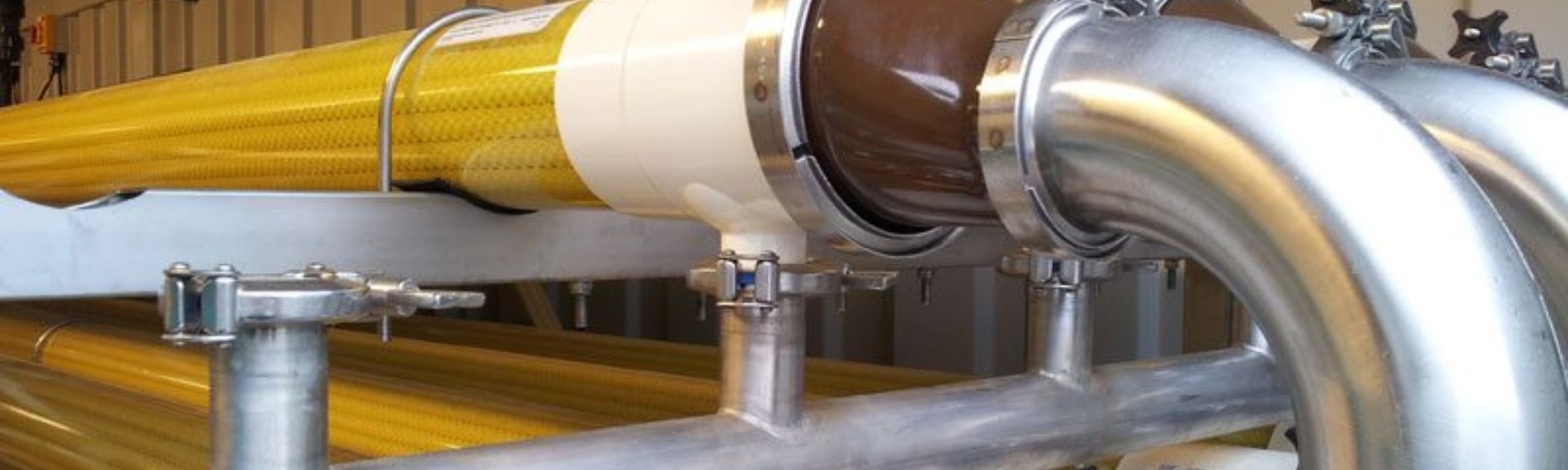
Driving seawater through a RO membrane, producing fresh water
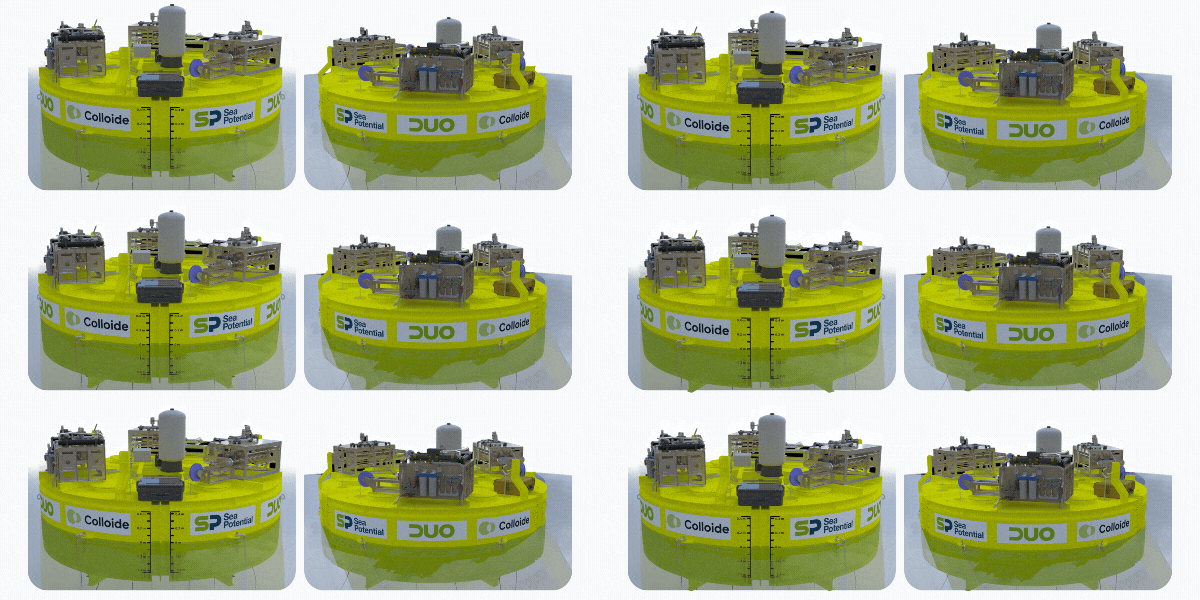
Addressing global water purification in remote coastal areas and the aquacultural sector requires bold, innovative solutions. Colloide, in partnership with Sea Potential, is on a path to redefining sustainable water treatment through the development of the DUO Wave-Powered Desalination System (DUO DS). Unlike traditional desalination methods that consume significant amounts of electrical energy, the DUO system taps directly into ocean wave energy, converting wave motion into hydraulic pressure to power seawater through a reverse osmosis (RO) membrane, resulting in fresh, potable water.
A Collaborative Journey Following the Waves to Water Prize


The DUO system’s journey began as part of the U.S. Department of Energy’s Waves to Water Prize, an ambitious, multi-stage competition aimed at spurring the development of small, cost-effective, modular, wave-powered desalination units. With a total of $3.3 million in prize money, the competition attracted innovators who could create scalable technologies suitable for disaster relief and water-scarce coastal and island regions.
Colloide and Sea Potential’s participation marked significant milestones in advancing the DUO system through various competitive stages. This effort aligned with the prize’s vision to fast-track resilient, wave-driven desalination systems capable of producing clean water under diverse conditions.
Learn moreHow the DUO System Works
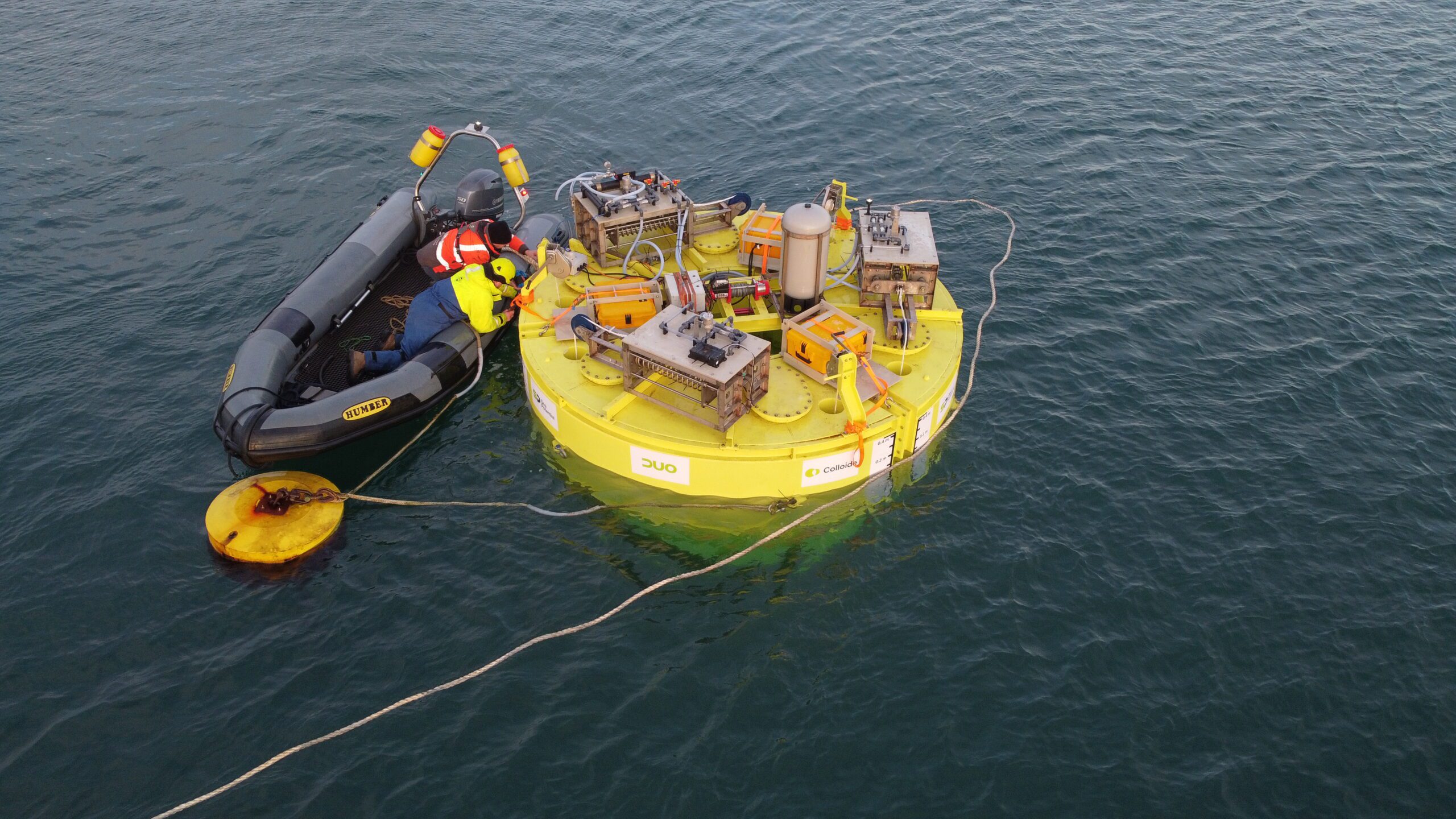
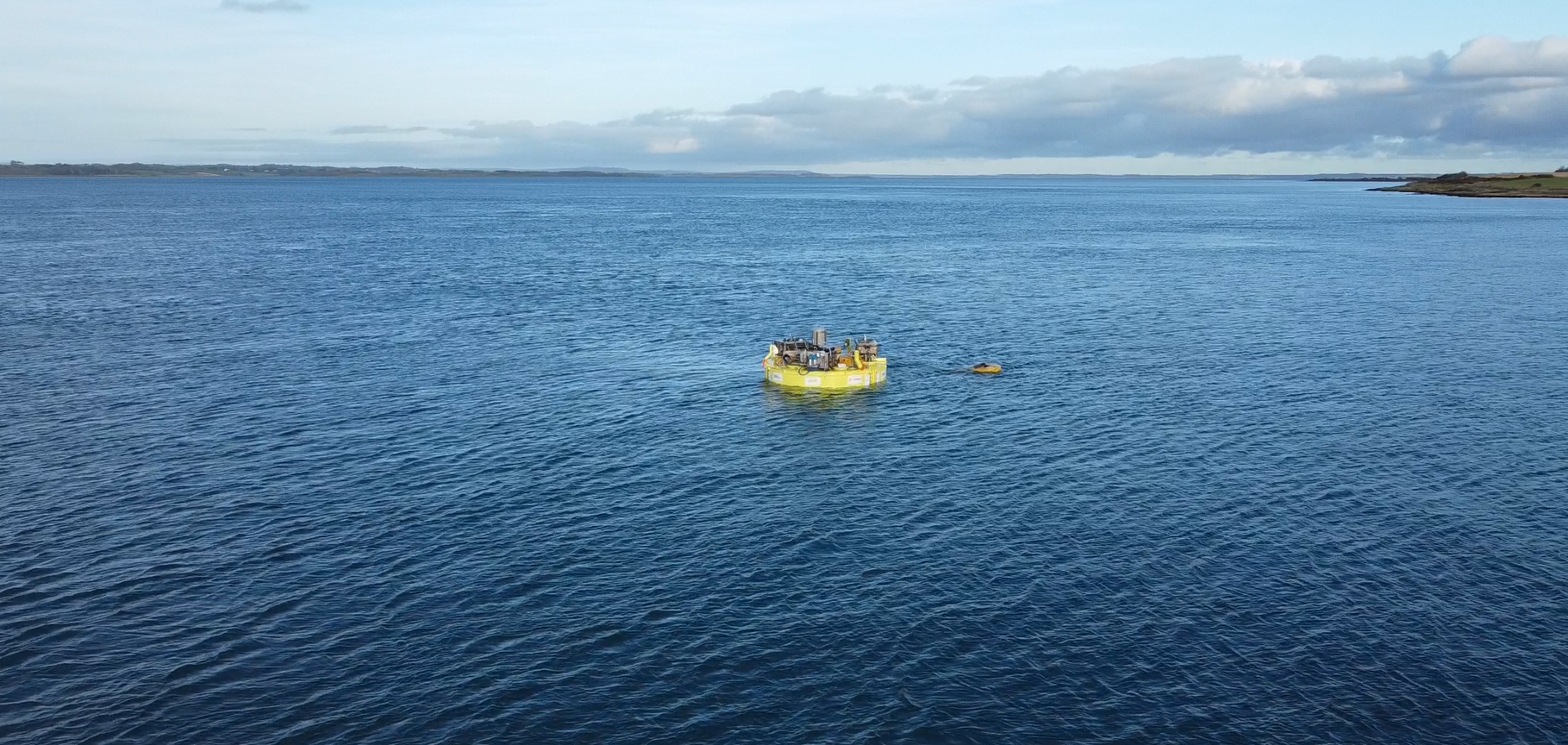
The DUO system captures the natural motion of the sea through a floating structure connected to hydraulic cylinders. As waves shift, the cylinders generate pressurised seawater flow, which is then driven through a RO membrane, filtering out salts and other impurities. The direct conversion of wave motion into hydraulic pressure bypasses the need for electrical energy, enhancing both efficiency and reliability across varied ocean conditions.
Addressing Energy Demands and Efficiency
Traditional desalination can be energy-intensive, often resulting in significant power consumption. The DUO, however, integrates a Clark pump—a type of energy recovery device (ERD)—that recycles pressure from the high-salinity brine back into the system. This lowers the system’s overall energy usage to an estimated 2–3.5 kWh/m³, a rate competitive with even the largest desalination facilities. Furthermore, the system’s efficiency is reinforced by an accumulator that stabilises pressure fluctuations, ensuring consistent water quality without compromising membrane performance.
Applications in Aquaculture and Fish Farming
The DUO system offers significant benefits to the aquaculture and fish farming industries. By providing a sustainable source of fresh water, the system helps maintain optimal water quality for fish health and breeding. Its energy-efficient design makes it a cost-effective solution for remote or coastal fish farms, reducing reliance on traditional energy-intensive desalination methods. Additionally, its modular structure ensures adaptability to varying site conditions, making it ideal for supporting the growing demands of the aquaculture sector while safeguarding marine ecosystems.
Performance and Future Potential
The DUO has proven capable of producing up to 2 m³ of fresh water per day, proving especially valuable in coastal and island communities with limited freshwater access. In addition to providing clean water, the DUO system’s low environmental footprint and modular design make it suitable for disaster relief and emergency response, offering resilience in areas affected by climate change or natural disasters.
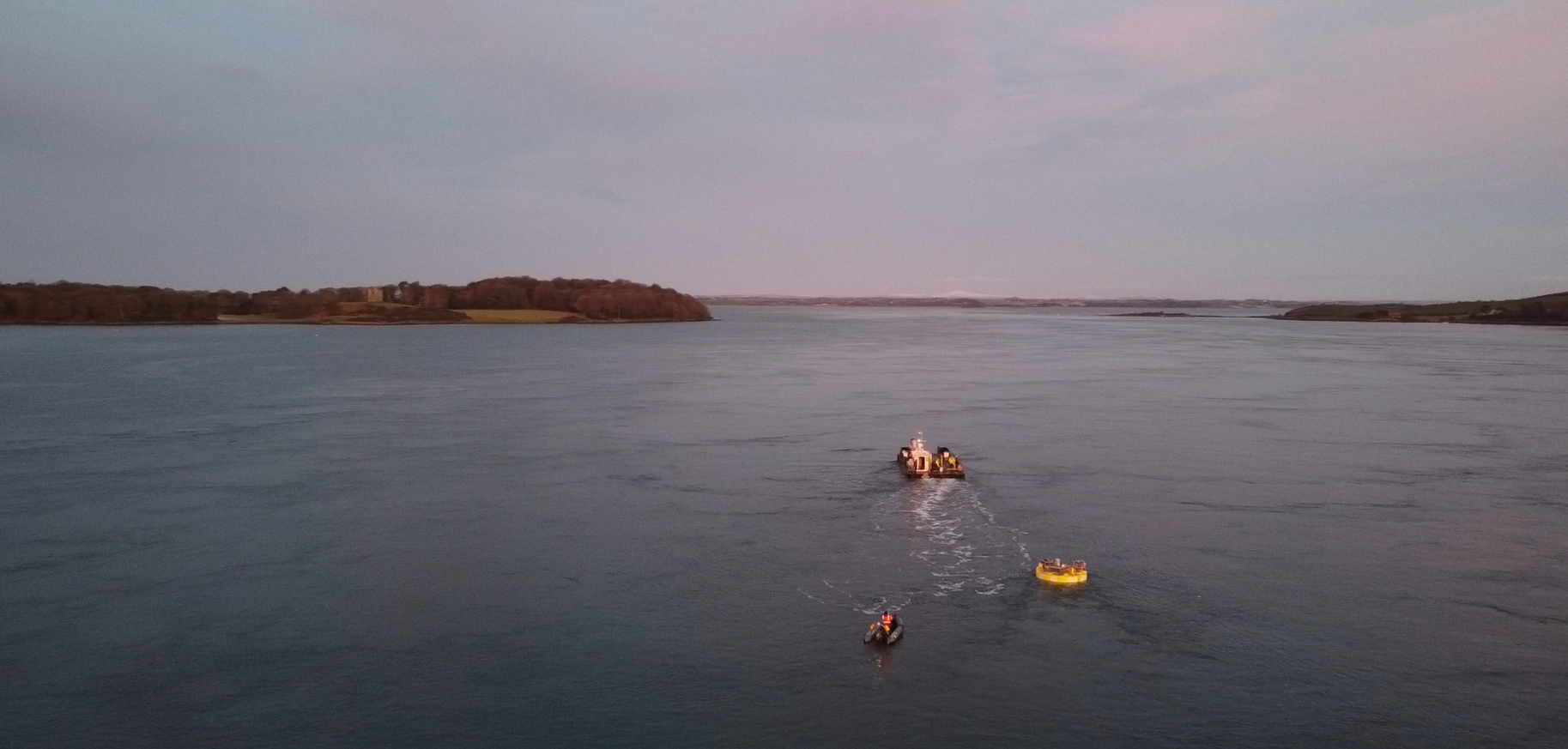
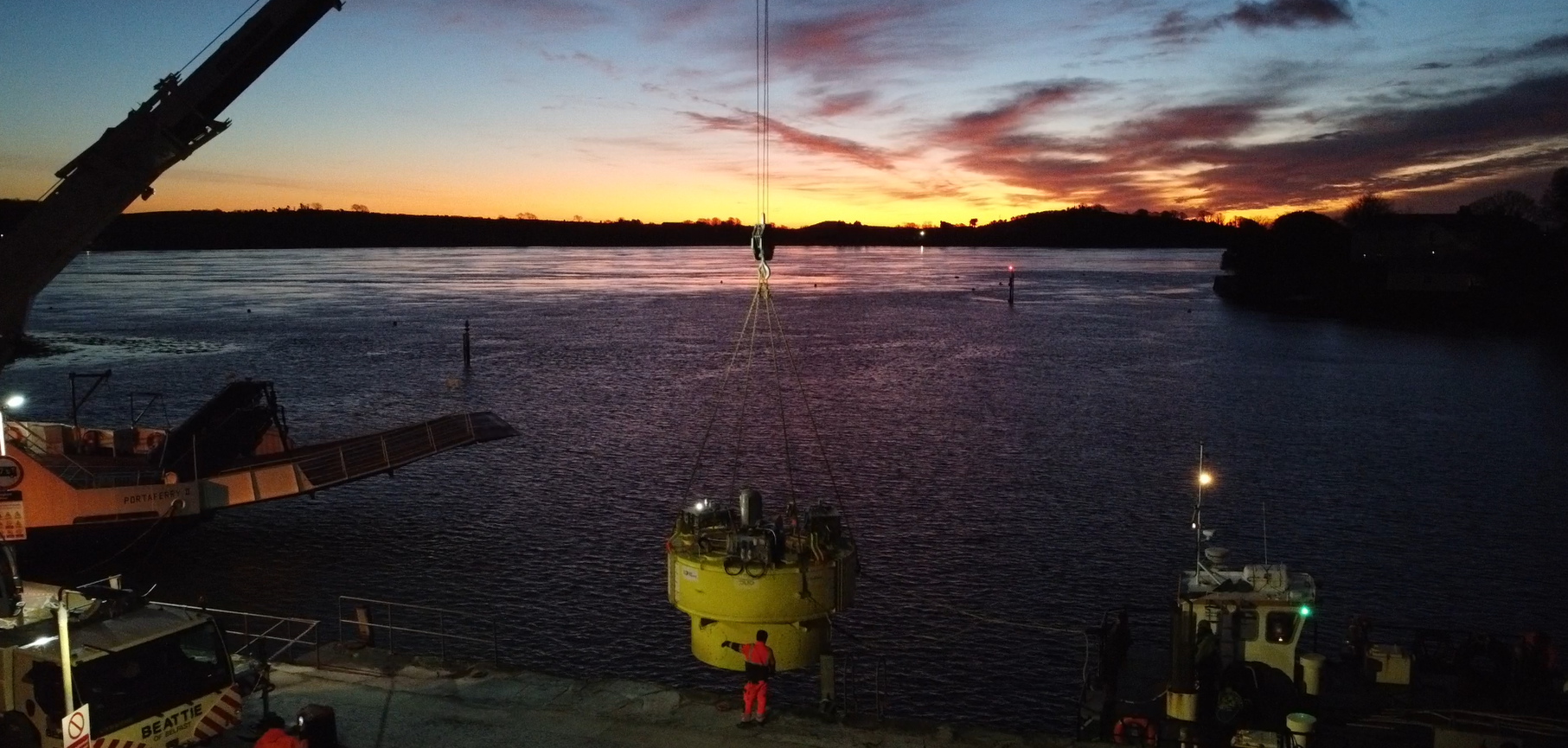
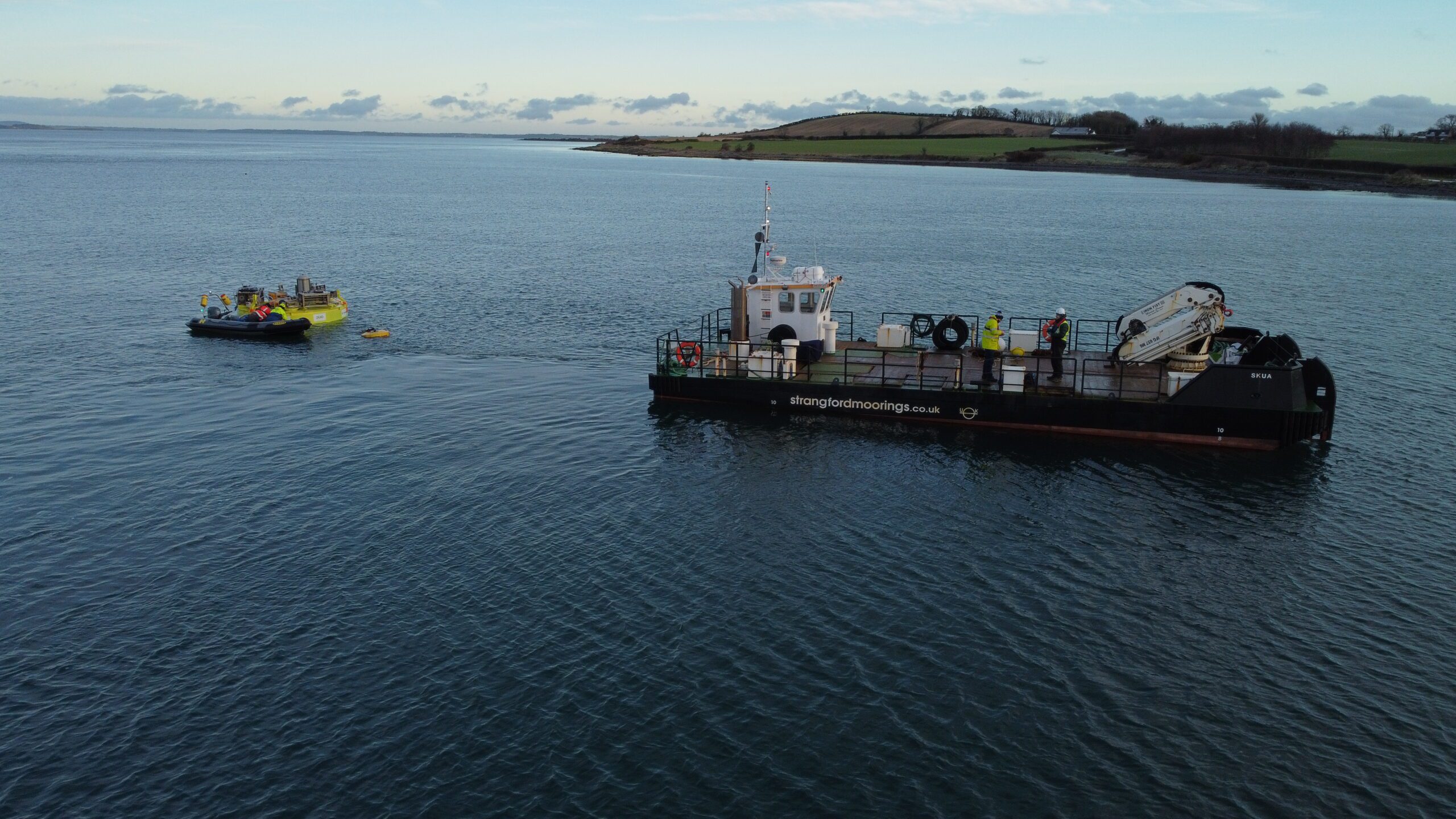
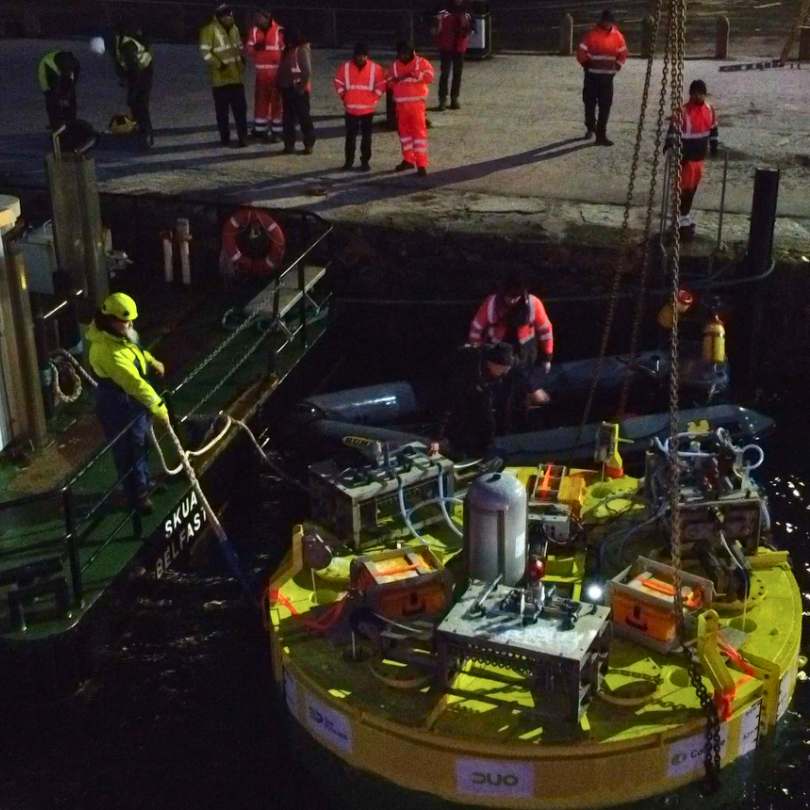
Field trials in Strangford Lough, Northern Ireland, have validated the DUO system’s real-world functionality, marking an essential step in scaling this technology for broader applications. These trials highlighted the system’s resilience and efficiency, encouraging further refinement. Development efforts at Colloide’s Limavady site have focused on enhancing instrumentation and system performance.
Bringing together specialists from diverse organisations and disciplines
Meet the Expert Team Driving Innovation






Engineering a Sustainable Future
Supported by the Centre for Advanced Sustainable Energy (CASE) and the Department for the Economy NI, the DUO project benefits from a collaborative approach to research and development. Colloide’s expertise in water treatment and sustainable engineering, combined with Sea Potential’s innovations in wave technology, has propelled this project forward as a model for eco-friendly desalination. The DUO Wave-Powered Desalination System is a testament to a joint vision of engineering a brighter, more sustainable future.
According to recent studies on wave-powered desalination systems (see Desalination Journal, 2024), direct wave-to-hydraulic systems like DUO represent an evolution in marine energy use, enhancing both operational efficiency and sustainability. Innovations in membrane technology, such as advanced materials that improve permeability and fouling resistance, are set to further improve the system’s long-term performance and cost-effectiveness.
Partnering for a Sustainable Water Future
At Colloide, our commitment extends beyond innovation; it’s about delivering sustainable, resilient water solutions that meet today’s challenges and anticipate tomorrow’s needs. The DUO Wave-Powered Desalination System exemplifies this mission, integrating advanced engineering with environmental stewardship to create resilient water treatment options for communities worldwide.
Solutions for Communities and Industries
Secure a Water-Smart Future
Get in touch today!
If you’re interested in creating a brighter tomorrow, we want to work with you.
** All sources referenced in this blog are properly linked within the content. Images used are derived from these sources and are believed to be within the public domain or used under fair use principles. If you believe any material used in this blog infringes on your copyright, please contact us, and we will address the issue promptly. If you would like to be mentioned within this content please contact [email protected]