
The Independent Water Commission Report
A Blueprint for a Resilient and Sustainable Water Future

In July 2025, the Independent Water Commission (IWC) published its long-awaited final report, setting out one of the most comprehensive reviews of the UK’s water sector in decades. The report calls for sweeping reforms; from governance and regulation to infrastructure investment and environmental protections, to ensure that the sector is resilient, accountable, and capable of meeting the immense pressures ahead.
Those pressures are well documented. Climate change, population growth, economic development, and the ongoing challenge of maintaining and upgrading vast water and wastewater infrastructure demand bold and decisive action. The IWC estimates that water companies will invest £104 billion over the next five years alone, the second-largest infrastructure programme in the UK. The stakes could not be higher.
As a process engineering company with more than 20 years’ experience delivering water, energy, and environmental solutions across the UK and Ireland, Colloide recognises many of the issues the Commission highlights. Our work across the UK and Ireland has shown both the strengths of the current system and the areas where change is urgently needed.
Download Report Key Takeaways >
A Single Integrated Regulator: Clarity and Confidence
One of the Commission’s most striking recommendations is the creation of a single integrated water regulator for England and Wales. This would consolidate the responsibilities of Ofwat, the Drinking Water Inspectorate, the Environment Agency, and Natural England into one powerful regulatory body.
The intended benefits are clear. At present, fragmented responsibilities can lead to overlapping requirements, regulatory gaps, and inefficiencies that ultimately slow down progress. A unified regulator would provide stronger oversight, a whole-firm view of each company, and much-needed stability for long-term investors. It would simplify governance, reduce duplication, and allow for sharper accountability.
At Colloide, we see parallels in our own approach. Our standardised, modular solutions are designed to streamline delivery, reduce complexity, and provide predictable, high-quality outcomes. Just as a single regulator would provide a clearer framework for utilities, Colloide’s design-and-build capabilities provide utilities and contractors with dependable, replicable, and scalable systems that reduce risk and enhance performance.
Regional Planning Authorities: Empowering Local Priorities
The IWC also calls for eight new regional water planning authorities in England and a single authority in Wales. These bodies would integrate local voices into water planning, ensuring that investment plans reflect regional needs and priorities.
For suppliers and contractors like Colloide, this presents an exciting opportunity to deliver solutions that are tailored, flexible, and responsive. Water systems are not one-size-fits-all; urban areas, rural communities, and coastal towns face very different challenges. Regional authorities will help direct investment where it can have the greatest impact, whether that is managing abstraction in agricultural areas, improving resilience in flood-prone regions, or upgrading wastewater treatment in urban centres.
Colloide has seen first-hand the value of tailoring solutions to local contexts. Projects such as the Viking Energy Network in Jarrow, which integrates waste heat recovery into a district energy system, show how regional challenges can inspire innovative responses. The opportunity is real but there is also a risk of fragmentation if regional bodies diverge in approach. Coordination with national priorities will be critical.
Strengthening Consumer Protection and Social Value
Affordability is central to the IWC’s recommendations. The proposal for a national social tariff will help to ensure consistent support for low-income households, reducing the postcode lottery that currently exists. Upgrading the CCW into an Ombudsman for Water will give consumers a stronger voice and clearer route to redress.
Colloide supports this shift towards greater consumer protection and sees strong parallels in the way suppliers can contribute social value. For example, Colloide has supported initiatives such as the Warm Homes programme, STEM outreach through partnerships with organisations like Stemettes, and community engagement activities including animations, local arts projects, and school engagement around flagship projects.
Water utilities and their supply chains have a responsibility not only to deliver infrastructure but also to support communities. Embedding social value alongside technical delivery is one of the ways Colloide ensures its projects leave a positive legacy beyond the engineering.
Stronger Environmental Regulation: Digitalisation and Innovation
The Commission has rightly highlighted the need for stronger environmental regulation, from compulsory water metering to stricter abstraction controls and sludge management. One of the most important elements is the emphasis on digitalisation, automation, and third-party assurance in operator monitoring.
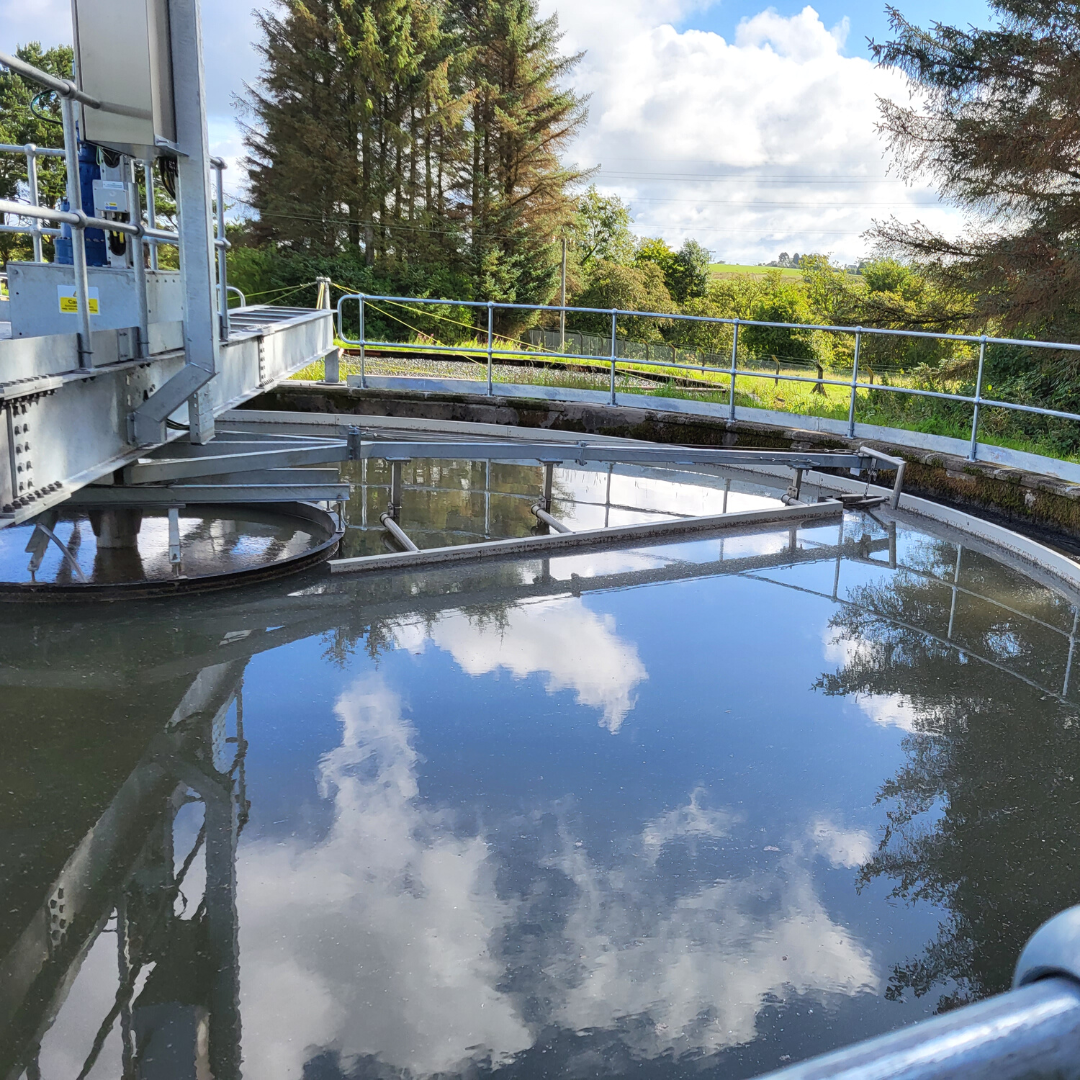
This aligns closely with Colloide’s approach. Our systems are increasingly designed with real-time monitoring, SCADA integration, and automation to provide utilities with accurate, transparent, and reliable data. Digitalisation is not simply a compliance tool; it is an enabler of better asset management, reduced operational risk, and improved environmental outcomes.
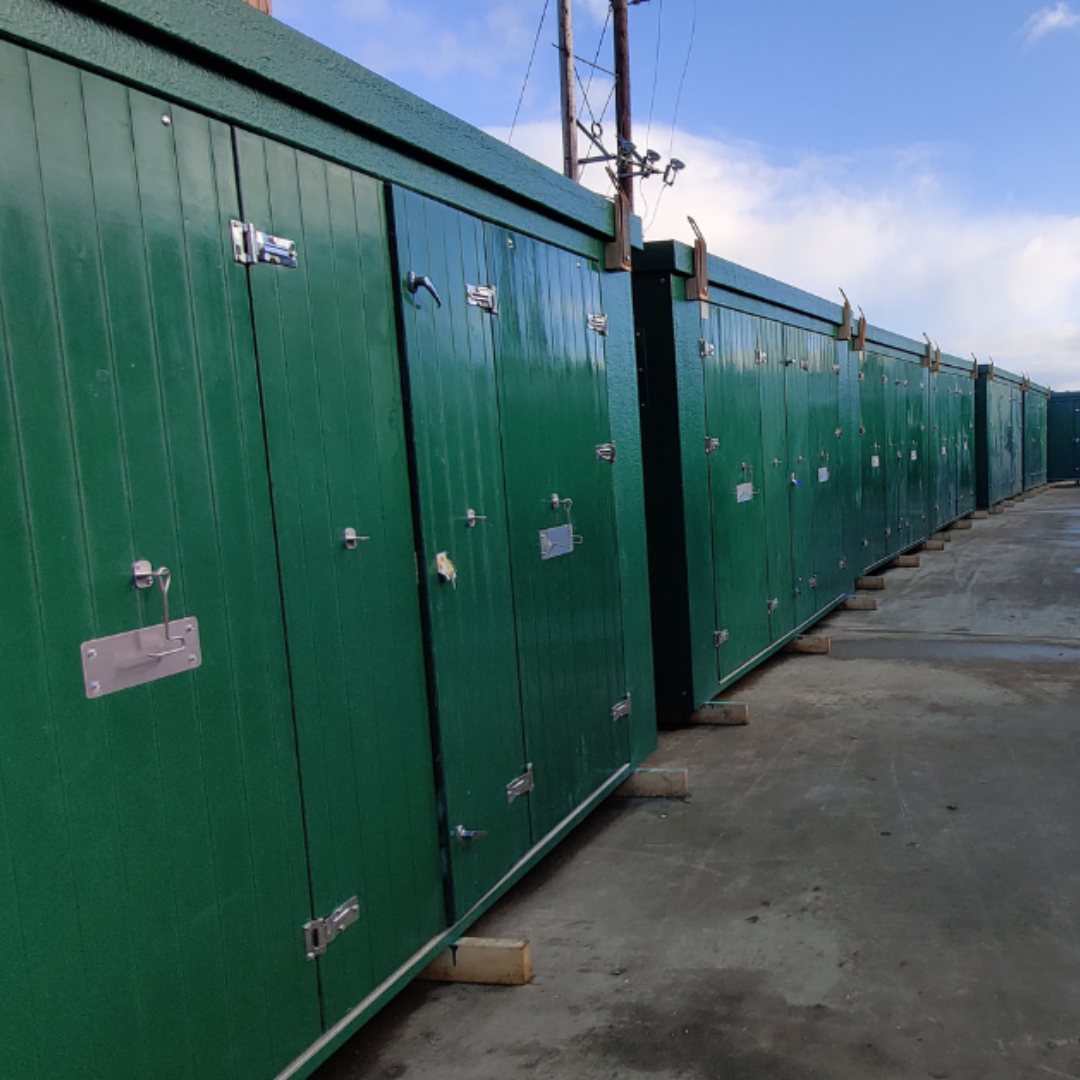
Moreover, Colloide’s expertise in areas such as chemical dosing, sludge treatment, and modular clean water and wastewater solutions means we are already contributing to the kind of resilient, digitally-enabled infrastructure that the IWC envisions. By embracing innovation; whether through modular GRP builds that reduce carbon, or integrating renewable energy and heat recovery into treatment processes, Colloide is delivering solutions that meet the twin goals of regulatory compliance and environmental stewardship.
Governance and Resilience: Building Trust
The report also tackles governance head-on, recommending new powers for regulators to block unsuitable ownership changes and requiring water companies to meet minimum capital requirements. These measures are essential for restoring public trust in the sector and ensuring companies are financially resilient.
For delivery partners, trust is also built on transparency and long-term performance. Colloide’s emphasis on offsite manufacturing, ISO-9001 compliant quality assurance, and carbon-conscious design has helped clients manage risk and improve resilience. But governance reforms will only succeed if water companies themselves prioritise asset health and sustainability over short-term returns, a shift that regulation alone may not guarantee.
Towards a Long-Term National Water Strategy
Finally, the IWC’s call for a long-term National Water Strategy is perhaps the most important recommendation of all. Water management requires a horizon that extends decades into the future, with clear milestones and cross-sector collaboration. Without such a strategy, investment risks being reactive, fragmented, and insufficient.
Colloide’s work across water, energy, and environmental projects demonstrates the benefits of integrated, cross-sector thinking. The first-of-it’s-kind Viking Energy Network, shows how water and energy systems can work hand in hand to deliver decarbonisation, resilience, and affordability.
A long-term strategy must embrace this kind of innovation, recognising that the future of water is inseparable from the future of energy, housing, and climate adaptation.
Delivering on the Commission’s Vision
The Independent Water Commission’s report is a bold and ambitious blueprint for reform. But it will only succeed if its recommendations are matched by delivery on the ground. That means regulators, utilities, contractors, and suppliers working together to innovate, standardise, and deliver projects that are affordable, resilient, and sustainable.
For Colloide, many of the recommendations align with how we already work through modular, offsite builds, digital integration, process engineering, and renewable energy solutions. Colloide is already delivering on many of the Commission’s ambitions. By combining technical excellence with a commitment to social value and environmental stewardship, Colloide is proud to help shape a brighter, more resilient water future. However, no single company or regulator can deliver this vision alone. Success will depend on collaboration across the sector, and on balancing ambition with the practical realities of implementation.
The blueprint has been drawn. Now comes the harder task: making it work.
Contact Colloide
Want to learn more about how we support water, energy and environmental projects across the UK and Ireland? Visit https://colloide.com/projects
Or get directly in touch and let’s get chatting – [email protected]
Sources:
Independent Water Commission Final Report – July
Independent Water Commission Summary Report
** All sources referenced in this blog are properly linked within the content. If you believe any material used in this blog infringes on your copyright, please contact us, and we will address the issue promptly. If you would like to be mentioned within this content please contact [email protected]