

The Untapped Power of Leachate Treatment in a Circular Economy
As the world shifts from linear consumption to more sustainable practices, the circular economy offers a powerful framework. It focuses on designing out waste, keeping materials in use, and regenerating natural systems. Yet, one underutilised resource remains hidden beneath the surface of our landfills: leachate.
Traditionally seen as a hazardous by-product of landfill operations, leachate is now emerging as a critical component in the circular economy. It is capable of yielding clean water, recovering resources, and environmental compliance, when treated correctly.
The Scope of the Problem: Leachate in Numbers
Each tonne of municipal waste can generate up to 0.2–0.4 cubic metres of leachate per year, depending on climate and landfill age.
In the UK alone, it’s estimated that over 100 million litres of leachate are produced annually across active and closed landfills.
Leachate contains a large concentration of pollutants, much more than regular household wastewater, sometimes 10 to 100 times more.
This complex mixture of organic matter, ammoniacal nitrogen, heavy metals, and micro-pollutants makes leachate difficult and expensive to treat. Particularly using traditional methods like tankering or off-site incineration.
The Case for Leachate Recovery - When we treat leachate as a resource rather than a liability, we open new doors to:
After undergoing advanced treatment (e.g., membrane filtration, reverse osmosis, MBR), leachate can yield high-quality water suitable for:
- Irrigation (non-edible landscaping, especially on-site vegetation).
- Dust suppression on landfill roads or construction sites.
- Toilet or equipment flushing in industrial facilities.
- Firefighting reservoirs or wash-down systems.
- Discharge to local watercourses, if regulatory standards are met.
Leachate contains organic compounds and ammonia that can serve as fuel in controlled systems:
- Anaerobic digestion: Biogas (methane) can be produced by breaking down organics in the leachate, either alone or co-digested with other organic waste.
- Ammonia stripping and combustion: Recovered ammonia can be used as a fuel or chemical input in certain energy systems.
Leachate is rich in nitrogen and phosphorus, which can be captured and reused.
Ammonia recovery (via air stripping, membrane distillation, or ion exchange) for use as:
- Fertiliser components (after stabilization)
- Input for industrial processes (e.g., scrubbing systems)
- Phosphorus precipitation: Crystallization into struvite for agricultural use
Some technologies can selectively extract chemicals or heavy metals from leachate for reuse or safer disposal:
- Heavy metal recovery (e.g., zinc, copper, lead), especially from industrial landfill sites
- Salt recovery: Crystallization of residual salts from reverse osmosis brine for reuse in de-icing or industrial purposes
Treated leachate or sludge (residue from treatment) can be used in specific construction applications:
- Compacted landfill cover (if stabilised)
- Use in cement or concrete production (after drying and neutralization)
- Landscaping or capping layers (as dust control water or green cover irrigation)
Using treated leachate in closed-loop systems can reduce operational costs:
- Reused as process water for waste compaction or cooling.
- Feeding back into the landfill gas system to promote microbial activity (bioreactor landfills)
- Integrated into industrial symbiosis schemes with nearby facilities needing water, heat, or ammonia
- All reuse options must comply with local environmental regulations.
- Advanced treatment (e.g., nanofiltration, UV disinfection, activated carbon) is often required to remove emerging contaminants, such as PFAS or pharmaceuticals.
- Monitoring and risk assessment are essential to avoid groundwater or soil contamination.
Colloide’s Leachate Treatment Solutions
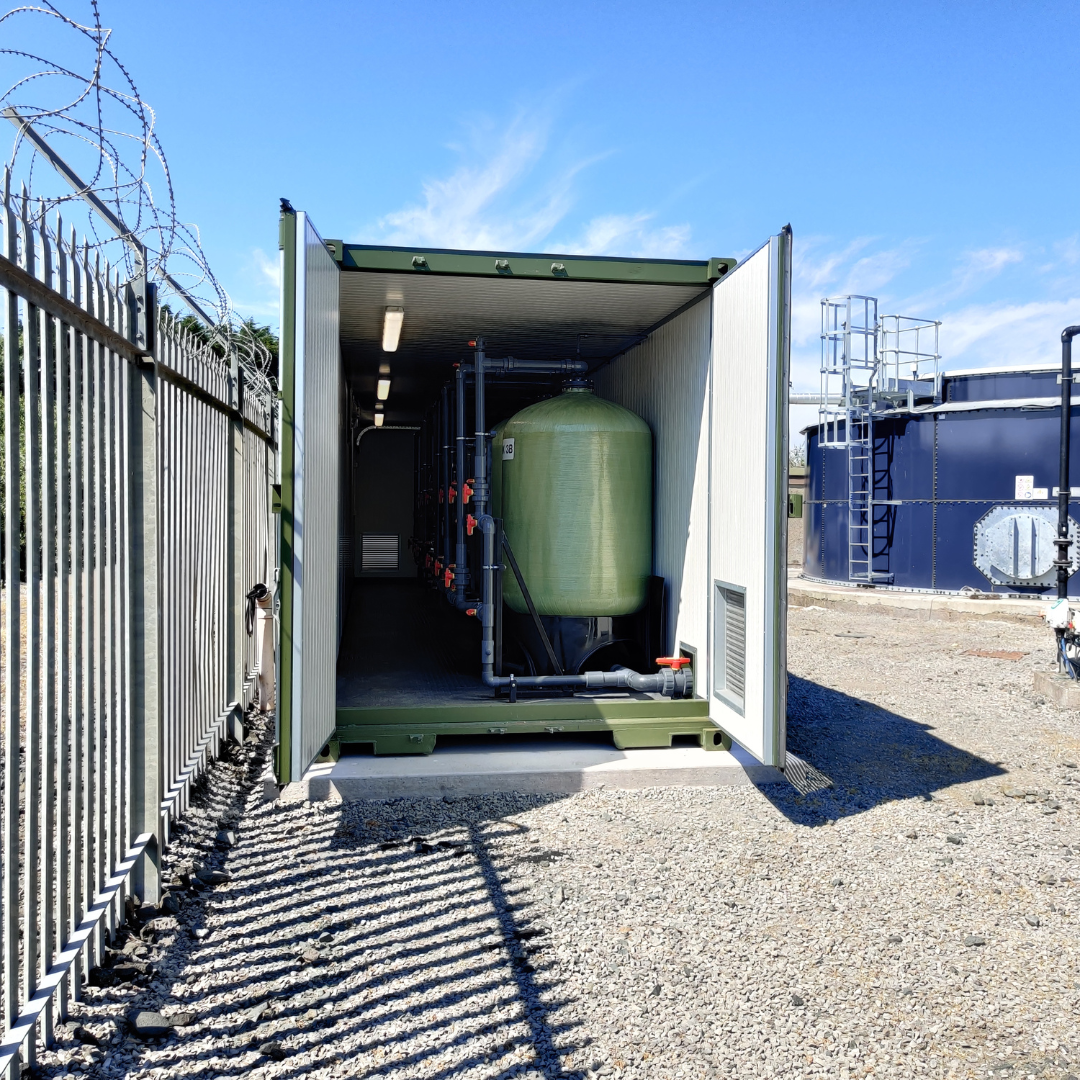
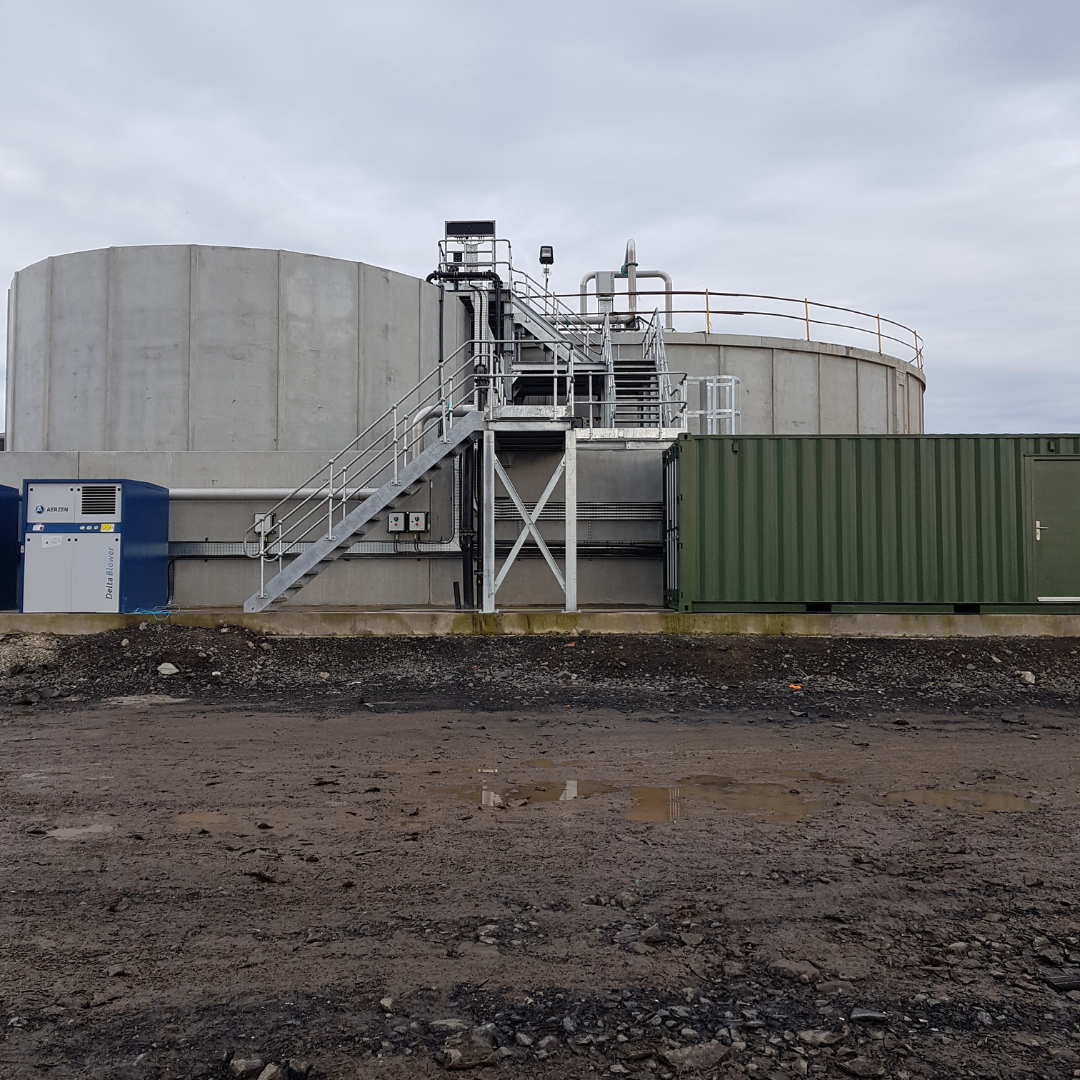
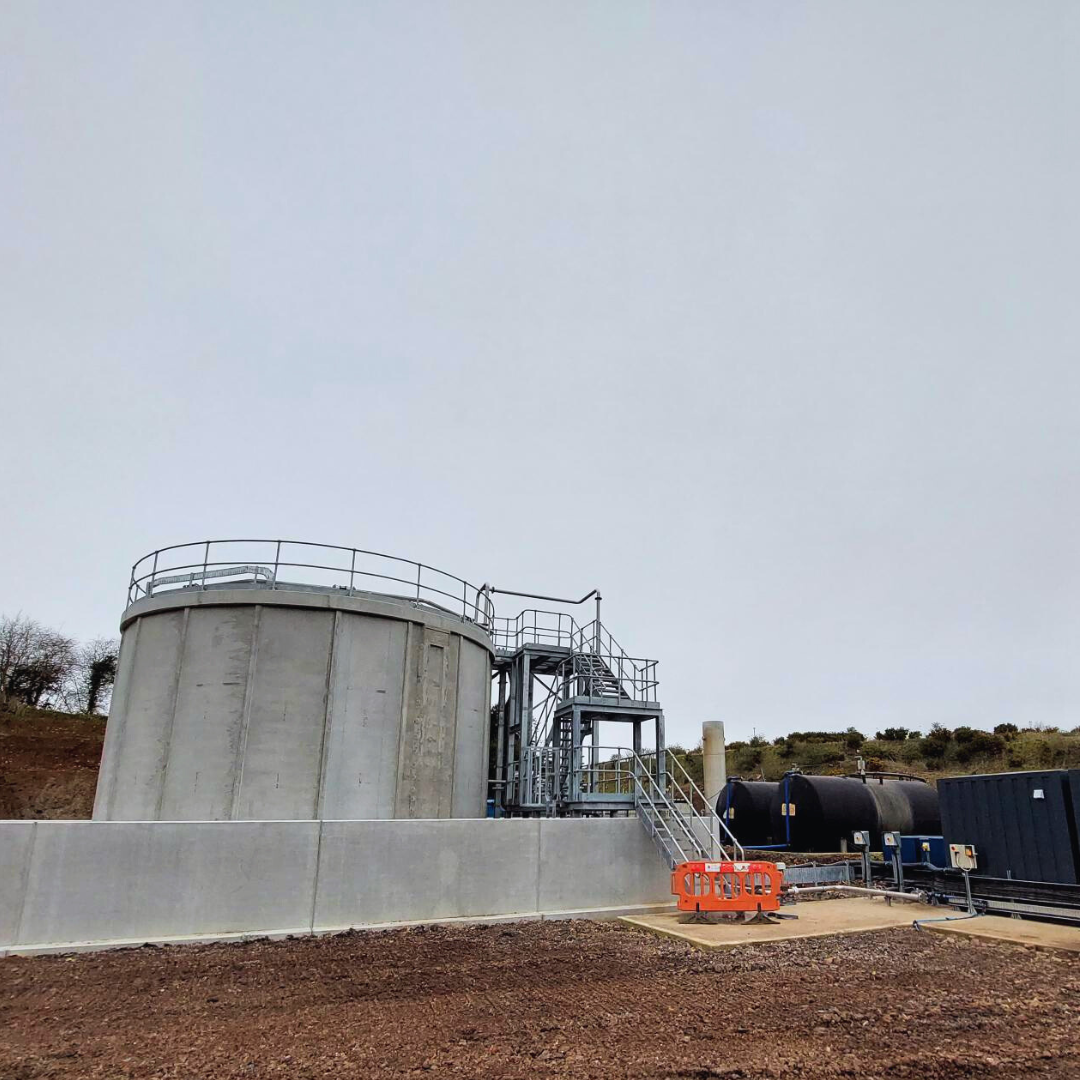
At Colloide, we’ve developed packaged, bespoke and flexible treatment systems that bring circular principles to the forefront of landfill management.
Our technologies are already delivering:
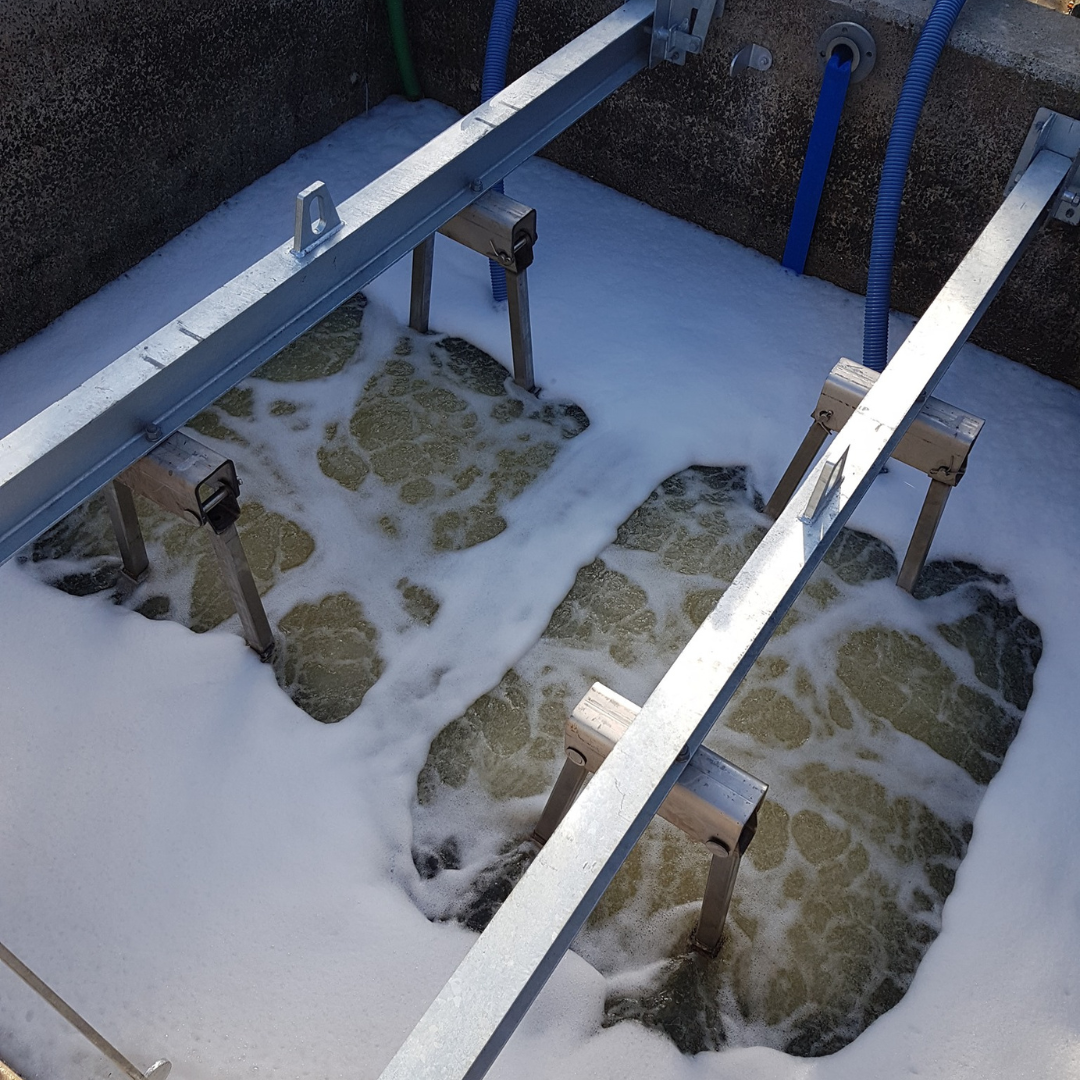
- Sequential Batch Reactor performs particularly well in the treatment of effluent highly loaded in both COD and/or Ammonia, achieving up to 98% removal of bio-degradable COD and total removal of Ammonia. It also has excellent nutrient removal properties.
- A track record of Membrane Bioreactor achieving BOD’s less than 2mg/l, SS less than 2mg/l and Ammonia below 1mg/l. We have also used MBR plants to continually achieve P levels below 0.5mg/l.
- Remote telemetry and automation, minimising manual oversight and enabling real-time performance optimisation.
Each system is tailored to our client’s needs, whether it’s for a new plant or the upgrade to an existing one. Our systems are developed with plant performance, reliability and whole life cost in mind.
Driving Compliance, Cutting Costs, and Creating Value
By deploying Colloide’s systems, clients can:
- Reduce tankering costs, especially at remote or high-volume sites.
- Lower carbon emissions linked to transportation and energy-intensive off-site processing.
- Avoid regulatory penalties through dependable, compliant treatment.
And crucially, they become part of the waste-to-resource transition that underpins a sustainable future.
The Circular Future of Leachate
After closure landfill site may still be actively emitting chemicals to air or water and with thousands of historic landfill sites in the UK alone, the scale of the challenge is only growing. But with forward-thinking solutions, this challenge becomes an opportunity.
Leachate treatment is no longer just environmental housekeeping; it’s a strategic sustainability tool. At Colloide, we are committed to helping our partners unlock this untapped power through intelligent, cost-effective systems rooted in circular thinking.
Get in touch with Colloide today!
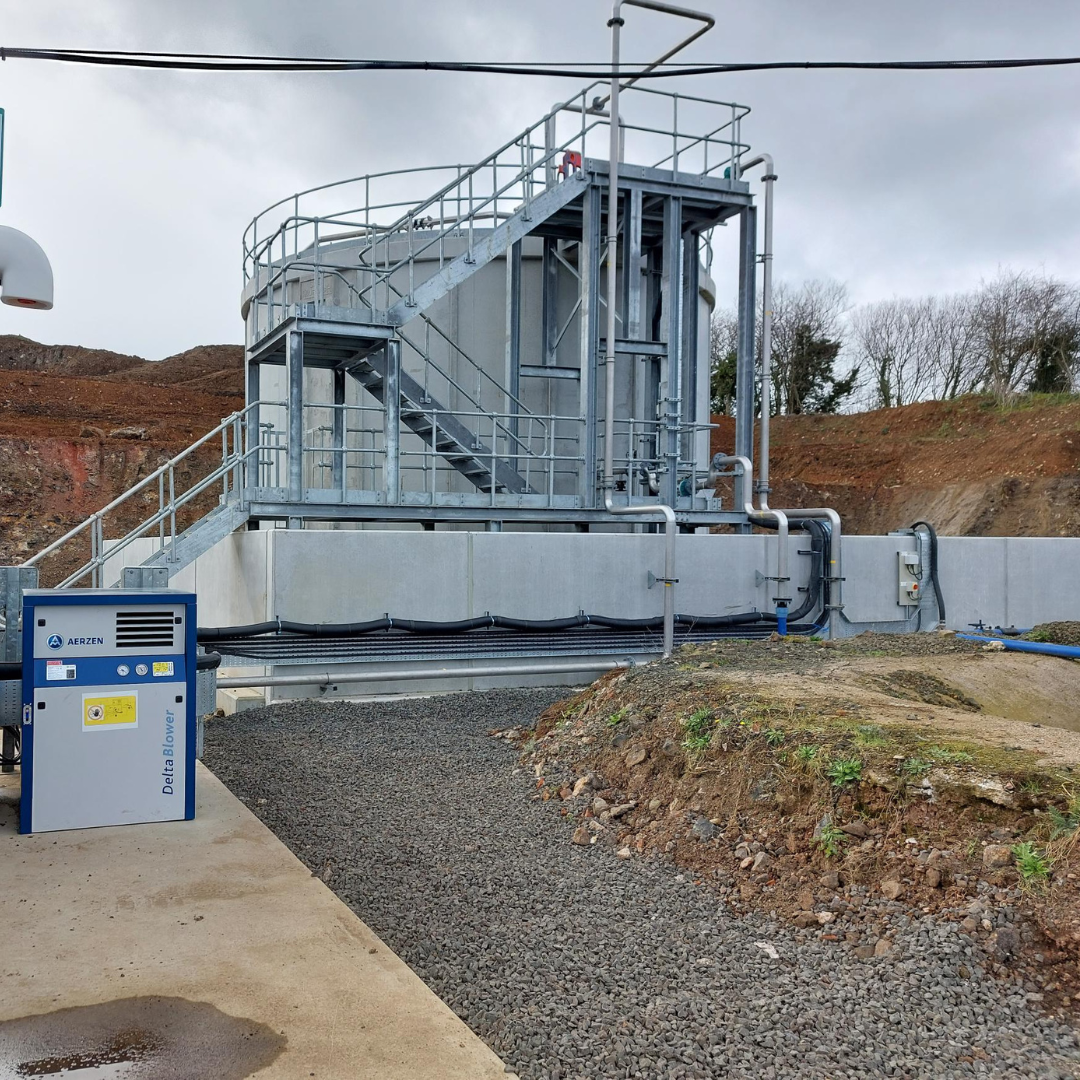
Case Study:
Crosshill Landfill Leachate Treatment Plant
- Colloide were contracted by Eastwood Envirowaste Ltd.
- The treatment system had to be capable of treating up to 25-27m3/day of leachate arriving in from the various cells of the landfill site.
- Effectively treating leachate through biological processes, the project aimed to meet the stringent standards set by NIEA and NI Water, with a focus on environmental protection.