
Harnessing Data Centre Waste Heat for District Heating Networks
As society becomes increasingly reliant on digital infrastructure, the environmental implications of data centre growth have come sharply into focus. Data centres underpin artificial intelligence, cloud computing, and everyday digital services, but they are also intensive consumers of energy and significant producers of waste heat. With global data centre electricity demand projected to nearly double by 2030, the challenge lies in balancing the need for expanded digital capacity with the urgency of achieving Net Zero. One promising solution is the integration of data centre waste heat into district heating networks.
The Scale of the Opportunity
Globally, there are over 8,000 data centres, operating around the clock to support digital activity. According to the International Energy Agency (IEA), data centres already account for 1–1.5% of global electricity demand, with cooling alone consuming up to 40% of this energy. Critically, nearly 97% of the electricity they use could be recovered as heat. Traditionally vented to the atmosphere, this low-grade thermal energy presents a consistent, renewable source for local heating solutions.
District heating, which involves distributing heat generated in a centralised facility to nearby homes and businesses, is an ideal match. The continuous output from data centres can provide a steady heat supply for residential, commercial, and even agricultural applications, significantly reducing reliance on fossil fuels.
A number of pioneering projects are already demonstrating the potential of this approach.
Industry Progress and Case Studies
Finland
In Finland, Microsoft has partnered with Fortum to channel data centre waste heat into local district heating, while Verne Global’s Helsinki campus elevates captured heat to 90°C to supply city-wide networks.

Denmark
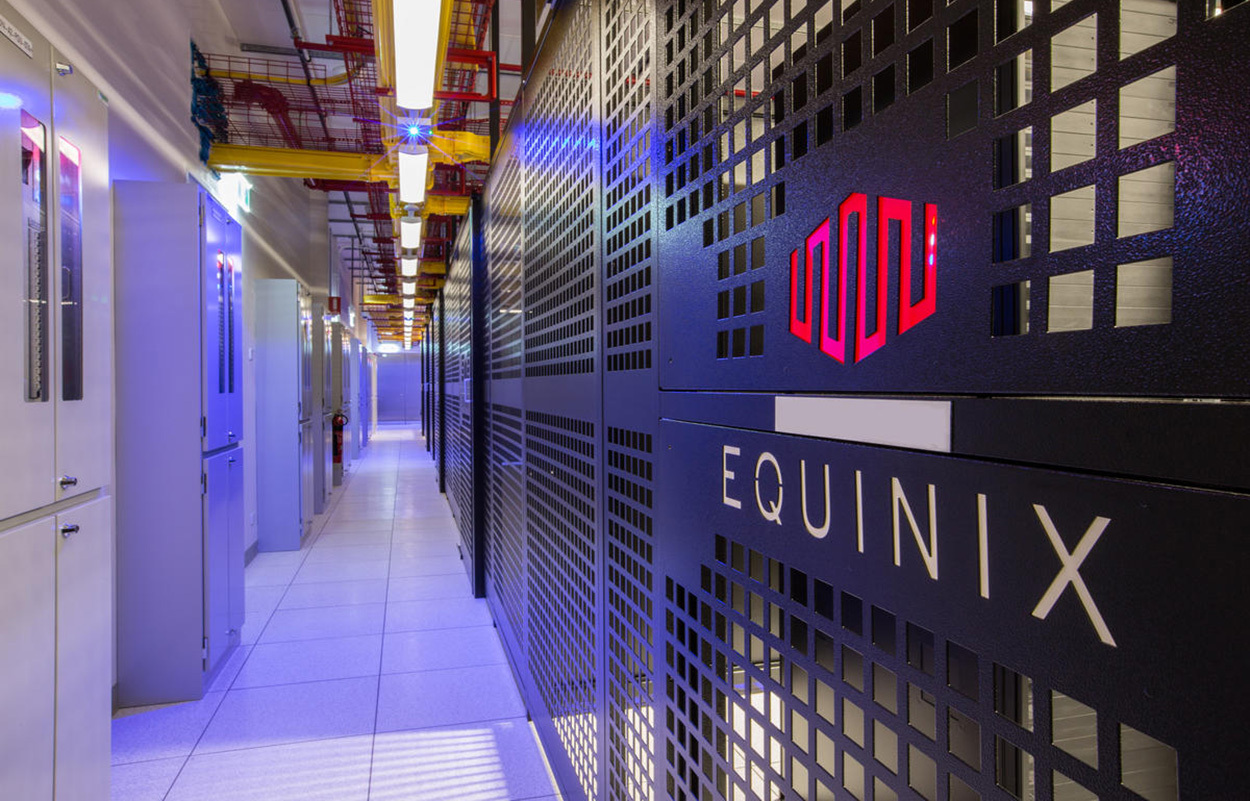
In Denmark, Meta’s data centres already contribute to municipal heating systems, and at the 2024 Paris Olympics, surplus heat from Equinix data centres helped warm swimming pools.
UK
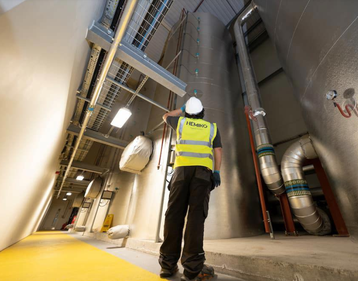
In the UK, several government-backed schemes are underway. For instance, waste heat from a Gatwick Airport data centre is set to supply 46 GWh of heating to homes in Crawley. Similarly a Hemiko scheme in London, which will provide heat to 9,000 homes is being developed in the Old Oak and Park Royal area, as well as the Tyseley Heat Network, which the company is working on in Birmingham.
These examples highlight not only the technical feasibility but also the scalability of integrating data centre waste heat into community energy systems.

Policy and Regulation Driving Change
Governments, particularly in Europe, are pushing operators to reuse heat through regulation and incentives. Denmark has introduced laws requiring waste heat recovery, and Germany’s Energy Efficiency Act mandates a growing percentage of heat reuse. The EU’s revised Energy Efficiency Directive reinforces these measures, aiming to achieve decarbonised district heating by 2050. Such frameworks are increasingly influencing site selection, with operators prioritising locations where nearby demand can absorb surplus heat.
In the UK, funding from the Heat Networks Investment Project and Green Heat Network Fund is accelerating adoption, while schemes like BREEAM and LEED integrate heat recovery into sustainability benchmarks.
The Role of Technology in Optimisation
Digital innovation, particularly artificial intelligence (AI) and the Internet of Things (IoT), plays a crucial role in maximising heat recovery. AI can analyse real-time operational data to predict energy demand, optimise cooling, and balance heat distribution, while IoT sensors enable dynamic system responses. These tools support better site selection, ensuring that new data centres are positioned where heat demand and infrastructure capacity align.
Modern HVAC solutions further strengthen this opportunity. Modular and integrated designs, such as those developed in the UK, enable heat recovery without compromising operational efficiency, even in variable climates.
Barriers to Adoption
Despite clear benefits, obstacles remain. High upfront infrastructure costs, uncertainties around heat demand in summer months, and the challenge of retrofitting older facilities are significant hurdles. Additionally, as servers become more efficient, overall heat output may decrease, complicating long-term projections for district heating operators.
Economic viability is often contingent on supportive policy, subsidies, and the existence of district heating networks. Where these are absent, the business case can be harder to justify. Ensuring continuous demand is another critical factor—without a nearby and consistent consumer base, heat recovery loses practicality.
Looking Ahead
The growth of AI and advanced digital services will only intensify the energy challenge of data centres. Yet, with waste heat representing an almost entirely untapped by-product, the opportunity to embed circular economy principles is compelling. For operators, integrating with district heating networks can lower cooling costs, reduce water consumption, and create new revenue streams. For communities, it means lower heating bills, reduced carbon footprints, and enhanced resilience.
Harnessing waste heat from data centres is not a silver bullet, but it is an essential step towards more sustainable digital infrastructure. With the right blend of technology, policy, and collaboration, data centres can evolve from energy-intensive liabilities into anchor assets for local energy systems, helping to engineer a brighter, more sustainable tomorrow.
Contact Colloide
Want to learn more about how we support water, energy and environmental projects across the UK and Ireland? Visit https://colloide.com/projects
Sources:
Harnessing waste heat from data centres community heating
Verne Global – Data center waste heat
UK District heating networks look to data centers for waste heat
Heat Recovery in data centres turning waste into efficiency
** All sources referenced in this blog are properly linked within the content. If you believe any material used in this blog infringes on your copyright, please contact us, and we will address the issue promptly. If you would like to be mentioned within this content please contact [email protected]