
How Tier 1 Contractors Are Delivering £104bn AMP8 Projects
Discover how Tier 1 contractors and specialist partners like Colloide are delivering £104bn AMP8 water infrastructure projects across the UK and Ireland through innovation and collaboration.
The UK water sector is entering a transformative era with AMP8’s unprecedented £104 billion investment programme running from 2025 to 2030. This represents a 77% increase from AMP7, driving the largest infrastructure modernisation in the sector’s history.
At the centre of this transformation are Tier 1 contractors, whose expertise in design, construction, and project delivery ensures that complex schemes are executed efficiently and sustainably.
Amid rising consumer expectations, a net zero agenda, and increasing pressures for climate resilience, collaboration between Tier 1 contractors and specialist partners is more critical than ever. Colloide plays a key role in this ecosystem, providing innovative solutions and technical expertise to support major infrastructure projects across the UK and Ireland. This article explores the scale of investment, emerging themes, and the vital contribution of Tier 1 contractors in delivering future-ready water solutions.
Understanding AMP8: The Scale of Investment
Investment and Funding: The 2024 Price Review (PR24) seen Ofwat, approve £104bn in total expenditure for AMP8. This represents a transformative level of investment over the next five years, aimed at improving performance, safeguarding future water supplies, and ensuring cleaner rivers and seas.
These ambitious plan reflects the priorities of the UK and Welsh Governments, delivering a significant step forward in securing sustainable water supplies and enhancing environmental outcomes for future generations.
Key Investment and Funding highlights include:
£12bn allocated to 2,884 projects to reduce storm overflow spills by 45% from 2021 levels by 2030. This investment amounts to more than £6.5 million daily over the PR24 period.
£6bn for upgrades addressing nutrient pollution across approximately 1,000 sites and catchments, targeting phosphorus and nitrogen reduction.
£3.3bn directed towards nature-based solutions and boosting biodiversity, including constructed wetlands and sustainable drainage systems.
£2bn in development funding to unlock £50bn for 30 major projects, including nine new reservoirs to enhance water supply resilience, 9 water transfer schemes for regional distribution and large scale treatment works upgrades.
£456m in additional funding to accelerate water mains replacement, improving 8,445km of infrastructure within five years to reduce leakage.
Regulatory Pressures Driving Change: The UK water sector faces major reforms following the Independent Water Commission’s July 2025 report, a roadmap aiming to build trust in the water sector. Key proposals include creating a single integrated regulator for England and Wales, stricter environmental controls, mandatory water metering, and promoting water reuse. A 25-year National Water Strategy is recommended to ensure sustainable growth and infrastructure resilience. Tighter oversight of water company ownership, reduced debt reliance, and measures to boost investor confidence, aim to rebuild trust and align the sector with long-term environmental goals.
Net Zero Commitment by 2050: The UK has set an ambitious goal of reaching net zero by 2050, a commitment that will affect many industries. Water UK has presented its vision for 2030 as part of this journey, focusing on measures such as adopting low-emission vehicles, improving water and energy efficiency to reduce leakage, cutting process-related emissions, and increasing the use of renewable energy sources like solar and wind. Additionally, the plan includes the utilisation of green gas to further drive the transition towards a sustainable future.
Rising Customer Expectations: CCW’s Consumer Priorities report seeks to represent water consumers effectively and understand their evolving concerns. The most discussed topic found within the report is sewage pollution, following recent incidents that have occurred across the UK, and concerns have been raised about the impact it has on health and the environment. Customers are also expecting clarification on the higher water bills that many are experiencing. There are also concerns over the quality of water, specifically worries about safety and sewage contamination, as well as concerns about the financial health of water companies. Customers are currently debating smart meters, with opinions becoming more polarised.
The insights found within this report underscore the growing complexity of consumer expectations in the water sector, and we should see many of these addressed and actions taken to mitigate risk within the duration of AMP8.
Key Themes Shaping UK Water Infrastructure in AMP8
Emerging themes across the UK water infrastructure industry, reflect the ambitious goals, challenges and technology advancements required to address industry concerns and consumer needs. Some of these key themes include:
Climate Resilience: Enhancing climate resilience is a key focus, with innovative approaches and technologies playing a vital role. For example, well-designed sustainable drainage systems improve urban climate resilience while supporting wildlife. Advanced technologies for recycling and reusing water are addressing the imbalance between water supply and demand across the UK.
Decarbonisation and Net Zero Goals: The water sector is focused on reducing carbon emissions by embedding whole-life carbon considerations into decision-making and regulation. There is a growing emphasis on adopting low-carbon or carbon-neutral technologies. Artificial intelligence and data are being widely utilised to monitor and manage emissions effectively.
Enhanced Water Quality Standards: Enhancing water quality is a key focus across the water sector. Strategies are being developed to address potential outbreaks of water-borne diseases and to effectively manage future crises. Innovations such as manure processing, pelletising biosolids, and improved farm water testing are expected to play a significant role in advancing water quality. Important wastewater treatment technologies, including membrane-aerated bioreactors, aerobic membrane bioreactors, and cellulose recovery technologies, are showing encouraging results and have the potential to improve water quality.
Sustainability and biodiversity protection: Sustainability and biodiversity are vital themes across the water sector. Key focus areas include water conservation, reducing pollution, protecting ecosystems, and promoting efficient water use. Water efficiency can be improved through low-flow fixtures, rainwater harvesting, and efficient irrigation. Advanced treatment and recycling systems ensure safe, sustainable supplies and reduce wastewater. Integrated Water Resource Management (IWRM), along with metering and pricing, promotes balanced, responsible use across all sectors.
Meeting rising industry demand: The UK faces rising water demand due to factors like population growth. According to Future Water Resources within the House of Commons Library, the Environment Agency warns of a daily shortfall of nearly 5 billion litres by 2050. To address this, measures such as new reservoirs, desalination schemes, water transfers, and reducing individual water use are being proposed by the government, regulators, and water companies.
Digitial Transformation and Data Analytics: There are opportunities in data and digital technologies which include, system modelling, GIS, risk analysis, AI and machine learning, digital twins, metric development, scenario modelling, and open data. These capabilities enable progress monitoring and provide new insights with digital technologies.
Partnerships and investments: There is a key focus on identifying opportunities to enhance collaboration, leverage co-funding, and emphasise the value of establishing strong, resilient, and long-term partnerships.
Resilient infrastructure systems: The water sector are dedicated to ensuring infrastructure and operations can withstand short-term shocks, such as flooding, and long-term stresses, such as ageing infrastructure. This involves minimising service disruptions, understanding asset health and life cycles, and accounting for long-term costs and sustainability.
Leading Tier 1 Contractors in AMP8 Delivery
Tier 1 contractors are integral to the delivery and modernisation of critical water infrastructure. Their technical expertise and project management capabilities enable the execution of complex, large-scale schemes encompassing design, construction, commissioning, and asset integration. Operating within stringent regulatory, environmental, and safety frameworks, they drive innovation, efficiency, and value across the supply chain. Through strategic coordination of stakeholders and advanced delivery methodologies, Tier 1 contractors ensure the resilience, performance, and sustainability of water and wastewater networks.
Tier 1 Contractor Spotlights







Colloide’s collaborations with Tier 1’s
Mott MacDonald Bentley
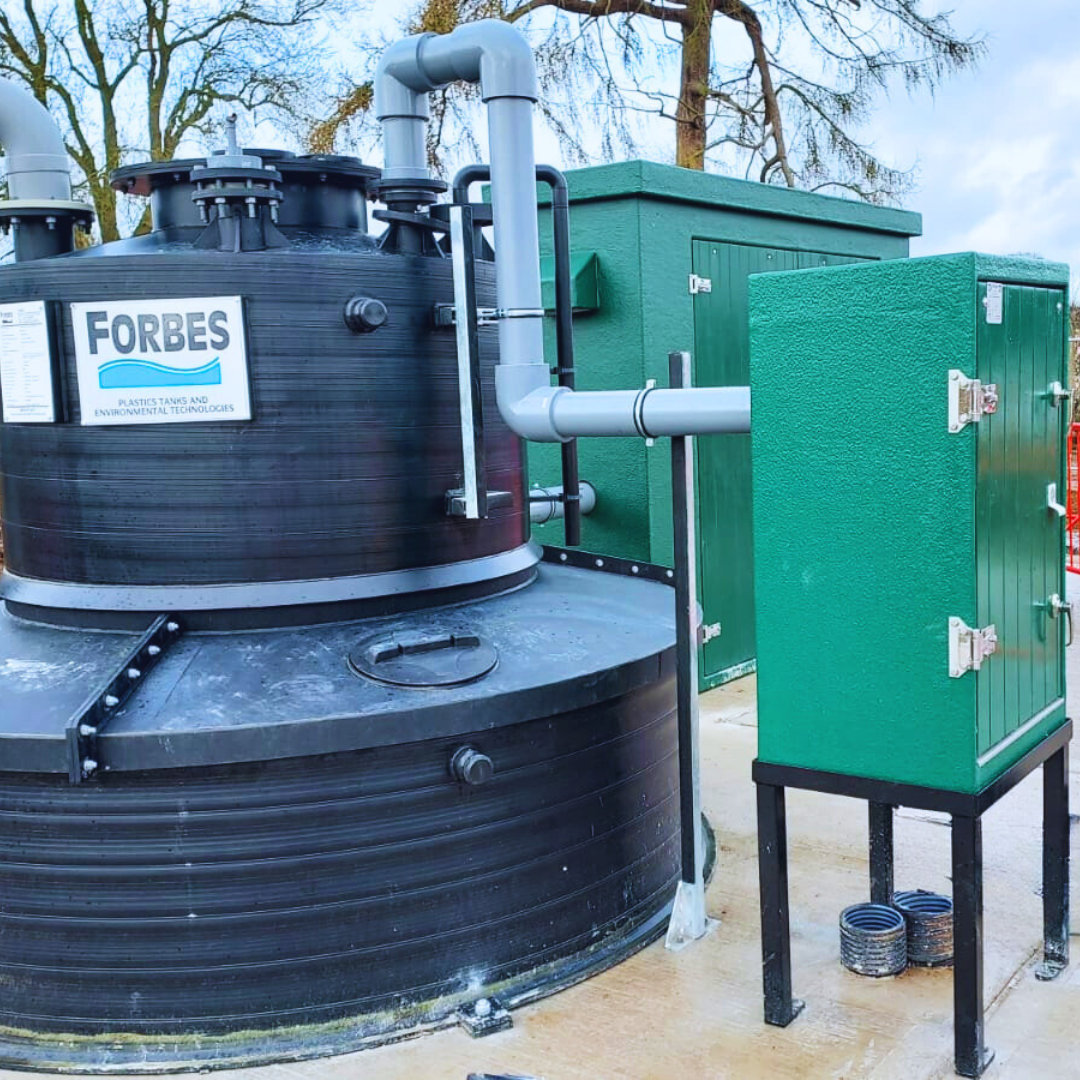
Colloide acted as a specialist M&E sub-contractor in collaboration with Mott MacDonalds Bentley and Severn Trent in the role of targeting phosphorus removal at West Felton Sewage Treatment Works. This project saw the installation of a 2m³ Tank 1 Pump Ferric Sulphate chemical dosing system.
West Felton Sewage Treatment Works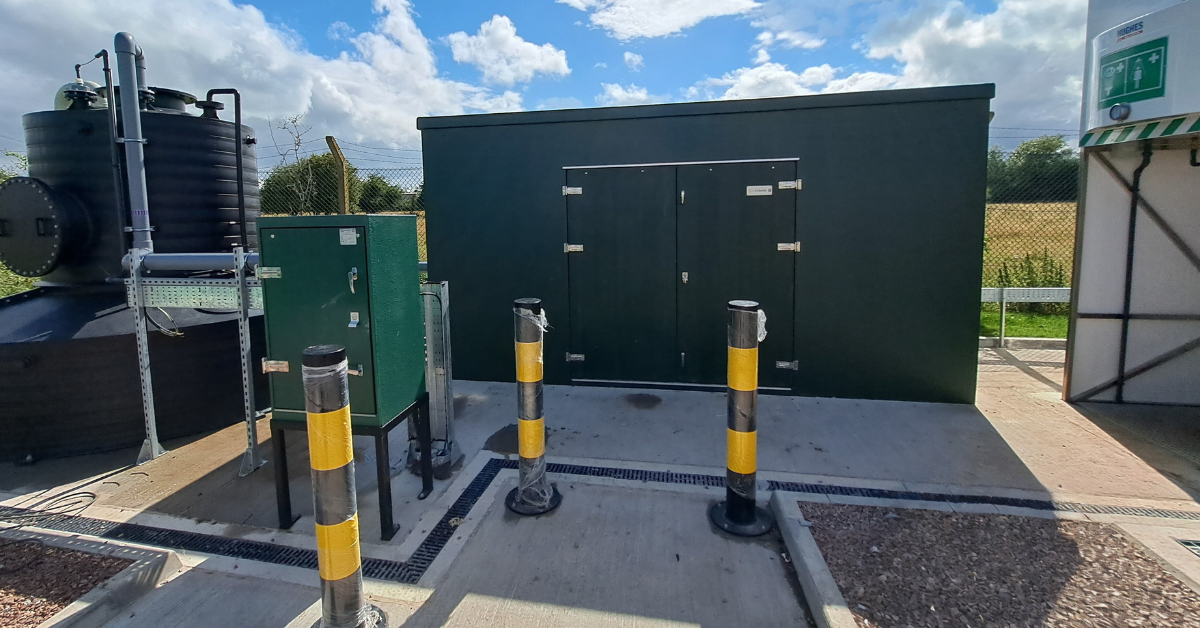
Morgan Sindall Construction
Colloide collaborated with Welsh Water and Morgan Sindall Construction on a significant project in Kingstone and Madley in Herefordshire. Works included the fabrication, supply, delivery, installation, testing and commissioning of the new ferric dosing plant. The build was for a 5m3 Tank, 4 Pump system. It was designed with 4 pump operation but two where supplied as spares.
Kingstone & Madley Wastewater Treatment Works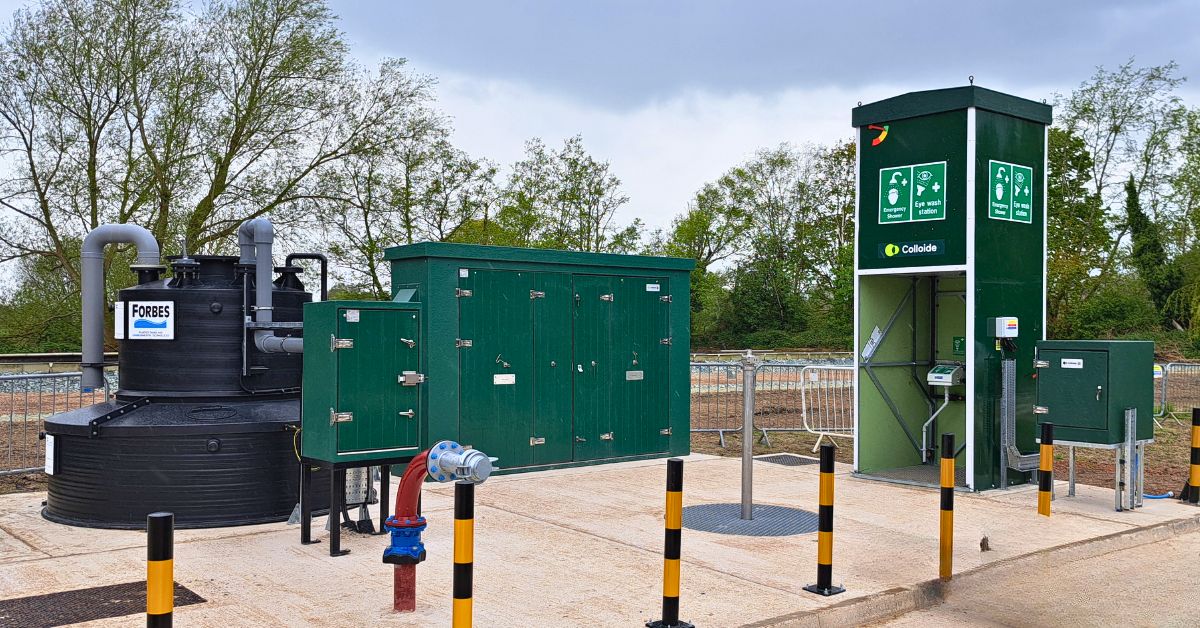
JN Bentley
We previously partnered with JN Bentley and Severn Trent Water to deliver a bespoke chemical dosing system as part of upgrade works at Worthen Sewage Treatment Works in Shropshire. This project enhanced phosphorus removal and pH correction, and supports environmental compliance, operational safety, and long-term investment efficiency.
Worthen Sewage Treatment Works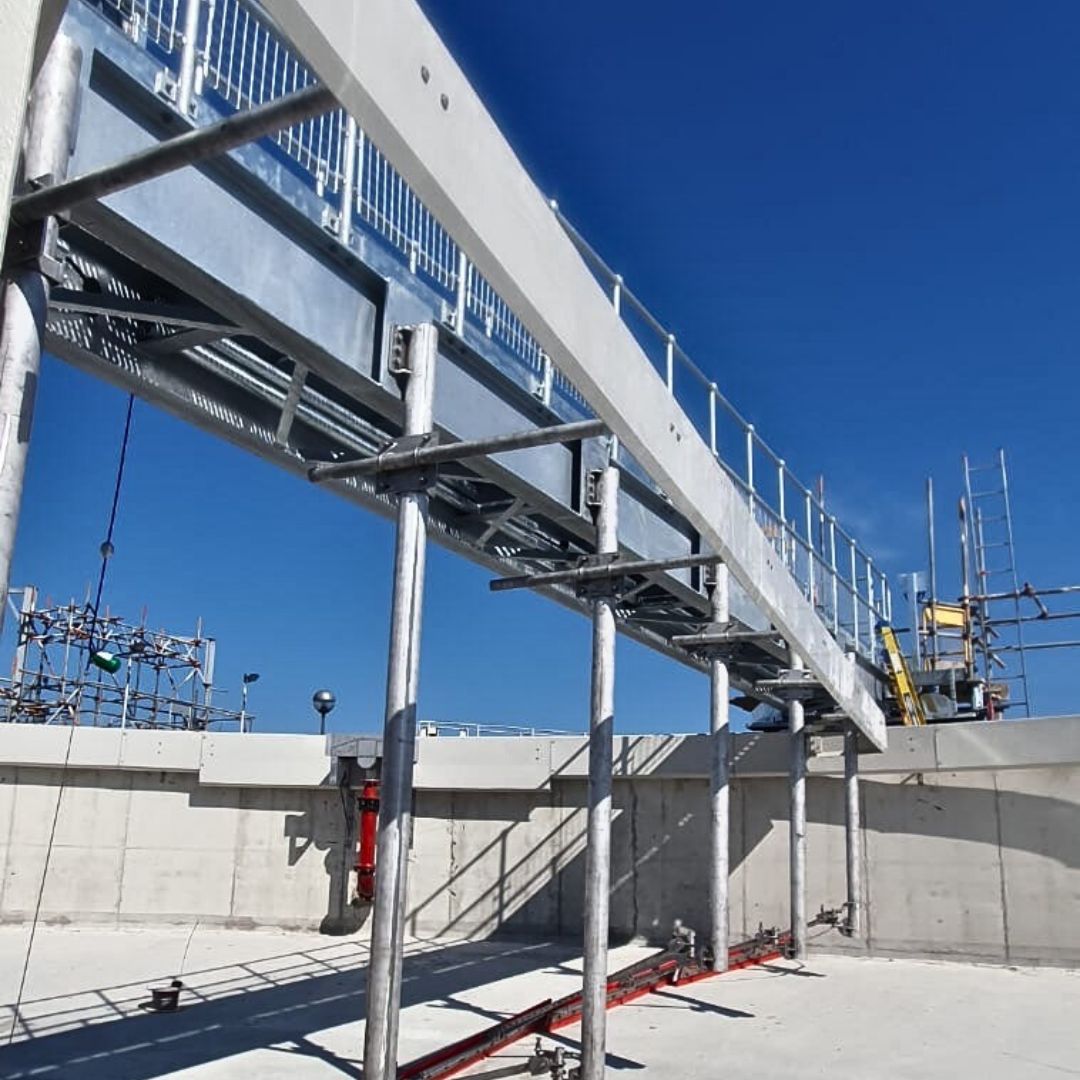
CDMP
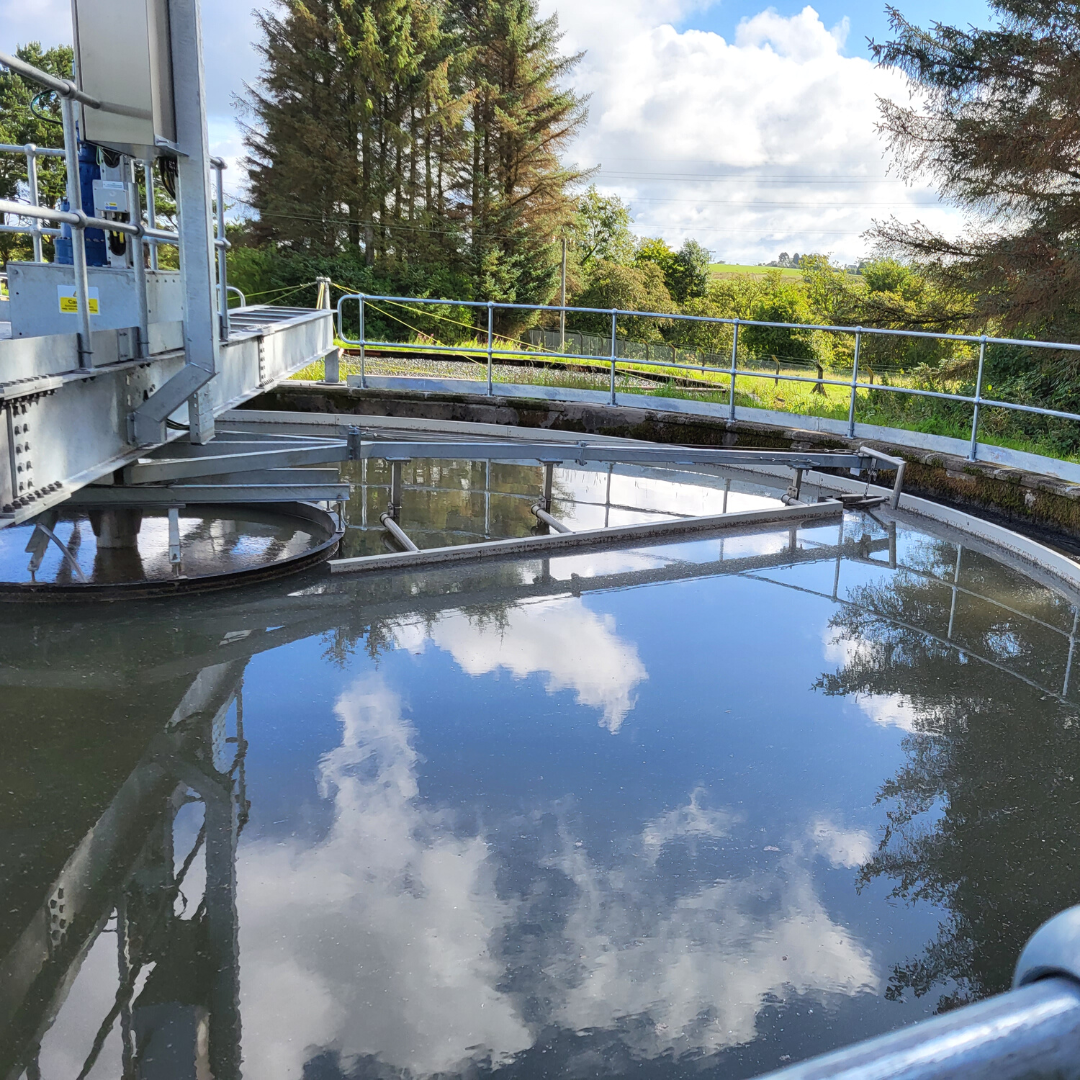
Colloide have worked alongside CDMP, a joint venture between Costain and MWH Treatment Limited. This was on a Southern Water site, contracted to design, manufacture, and install a Rotating Half Bridge Scraper for a final settlement tank (FST). Located at Queenborough Wastewater Treatment Works in Swale, Kent.
Queenborough Wastewater Treatment WorksColloide’s Role in Delivering AMP8 Water and Wastewater Projects
Colloide are a trusted and reliable partner in the UK and Ireland’s municipal and industrial water sectors, offering innovative solutions to meet the changing demands of water infrastructure projects. With over 20 years of experience in various roles:
Principle contractor – Taking full project responsibility for smaller schemes, from concept through to commissioning.
Specialist sub contractor – Partnering with Tier 1 contractors to deliver specialist MEICA solutions as part of larger frameworks.
Equipment supplier – Providing high-quality water treatment equipment and technologies for direct procurement.
Comprehensive water treatment solutions
Colloide works with many of the major water companies providing a full range of water and wastewater treatment technologies and solutions. Colloide has the experience, whether on new build treatment plants, refurbishments or upgrades to existing treatment works. We can design, supply and manage the full project or provide specific technical products for all stages of the water treatment process.
Technical expertise and innovation
By integrating innovative technologies and cost-effective solutions, we help clients adapt and remain compliant with industry standards and overcome challenges, ensuring a brighter tomorrow for people and planet.
Our core capabilities include:
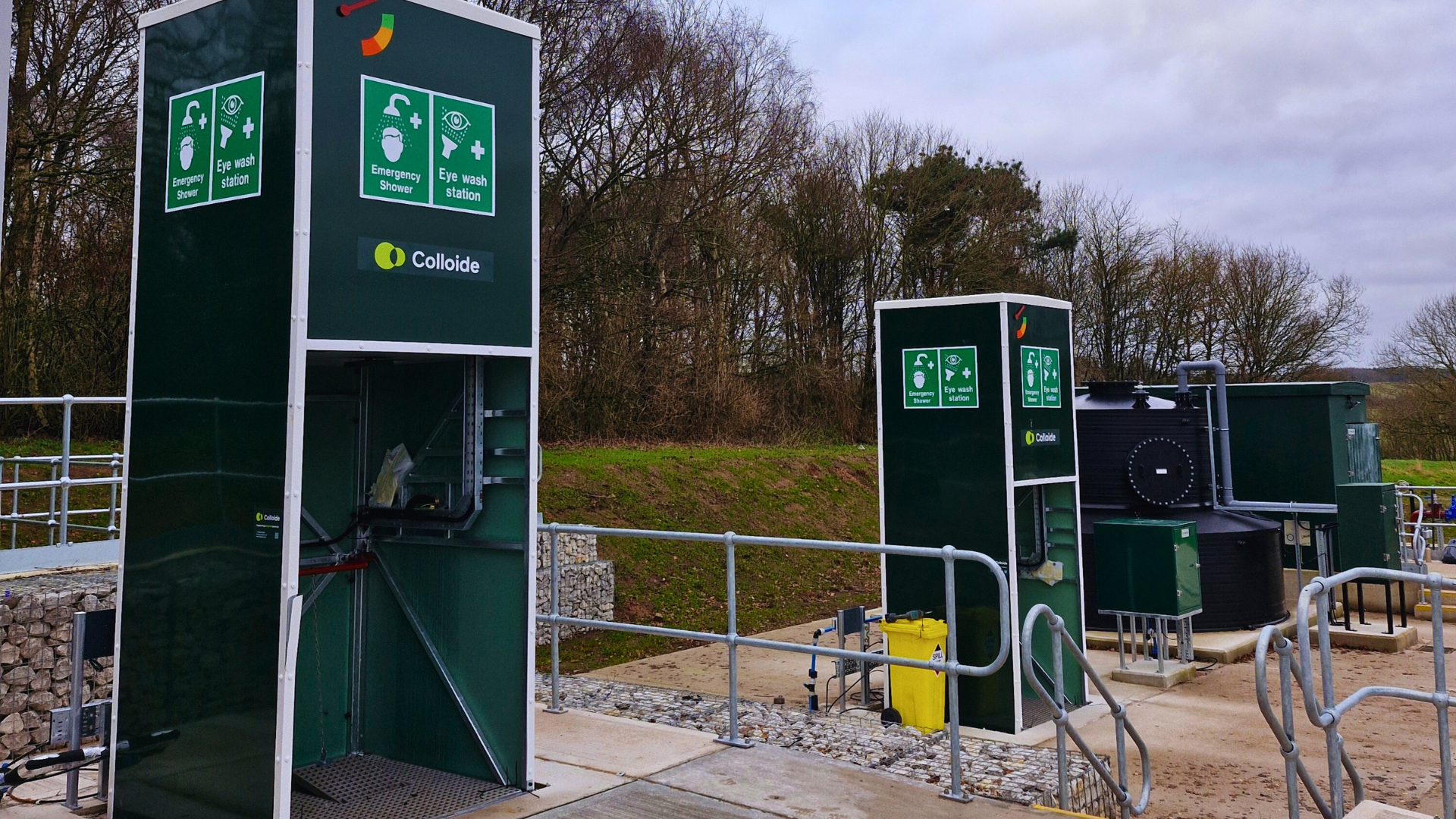
Chemical Dosing Systems: Colloide’s chemical dosing portfolio spans a wide range of applications. From phosphorus removal (meeting increasingly tight consent levels), Sulphuric acid dosing for pH adjustment and wastewater-treatment correction to Septicity control (e.g., dosing nitrate or ferric to prevent sulphide formation). We offer modular dosing systems and fully customised dosing solutions, including “plug-and-play” skid-mounted dosing units. Colloide’s standardisation strategy has enabled utilities such as Severn Trent Water to deploy up to 154 dosing rigs with delivery times reduced to just two weeks. This helped achieve over £1 million in savings across initial projects and more than £6 million through bulk procurement models, protecting clients from inflation and supply chain disruption.
Bridge Scraper Systems: Colloide’s bridge scraper systems offer a versatile, high-performance solution for settlement and flotation tanks in wastewater and potable-water plants. Whether circular or rectangular, each scraper is engineered with precision; rotating or fixed-bridge designs for circular tanks, and chain-and-flight or travelling bridge mechanisms for rectangular tanks, ensuring effective separation of solids and scum with minimal manual intervention. Fully designed, manufactured and installed by Colloide, these systems are built for heavy-duty applications, with a long service life, short lead times and low maintenance requirements.
Lamella Separators: Our Lamella systems deliver high-efficiency clarification in a compact footprint by employing inclined plate packs that multiply settling area and boost capacity over traditional clarifiers. Certified for public water supply use by the DWI, these systems can be customised for stainless-steel tanks or concrete basins, include upstream flocculation if required and integrate sludge collection hoppers.
Deep Bed Sand Filters: These systems provide high‑performance, reliable solids removal and water clarification across both potable water and wastewater applications. With carefully engineered filter media and bed depths of 1–2 metres, the systems operate at high filtration velocities while maintaining low maintenance requirements, ensuring effective removal of suspended solids, turbidity, metals, nitrates and phosphates. Colloide’s solutions incorporate robust under‑drain designs and efficient backwash systems, optimising media life and minimising downtime. Fully customisable for concrete or steel tanks, these turnkey systems are delivered with design, manufacture, installation and commissioning, providing clients with compact, cost‑effective, and high‑capacity filtration that meets regulatory and operational requirements.
Looking Ahead with a Shared Vision
As the UK water sector navigates a transformative period, collaboration between Tier 1 contractors and trusted partners will be crucial to achieving long-term success. By aligning with Tier 1s, Colloide is committed to tackle any project, from design through to construction and maintenance. Through a shared approach we can address the sector’s evolving challenges, from climate resilience to decarbonisation and water quality improvements. As regulations tighten and customer expectations grow, we remain dedicated to ensuring compliance, driving operational excellence, and fostering partnerships that deliver lasting benefits for the environment and local communities. Together, we can build resilient and future-ready water infrastructure that meets the needs of generations to come.
Contact Colloide
Want to learn more about how we support water, energy and environmental projects across the UK and Ireland? Visit https://colloide.com/projects
Alternatively Contact Us Today!
Sources:
Ofwat approves £104bn | Roadmap to rebuild trust in water sector - GOV.UK
The UK's plans and progress to reach net zero by 2050 - House of Commons Library
Water-UK-Net-Zero-2030-Routemap-Summary-updated.pdf
Consumer-priorities-2025.pdf
The UK water industry: towards a resilient and sustainable future | Conference report
The UK water industry: towards a resilient and sustainable future | Conference report
Sustainable Water Practices In The UK: A Guide For Industry Professionals To Protect Our Future
Future water resources - House of Commons Library
Research Strategy Document 2024)
** All sources referenced in this blog are properly linked within the content. If you believe any material used in this blog infringes on your copyright, please contact us, and we will address the issue promptly. If you would like to be mentioned within this content please contact [email protected]