
Why ‘Proven at Scale’ Can Matter More Than ‘Innovation’ in Water Treatment
Innovation has become one of the defining themes in the water industry. New treatment technologies, digital tools and process improvements are all helping utilities respond to mounting environmental pressures and rising customer expectations.
Innovation is essential. Without it, the sector cannot meet the challenges ahead.
But there is an important distinction between technology that is innovative and technology that is ready to deliver at scale. For the utilities responsible for critical infrastructure, that difference is often the one that matters most.
Reliability isn’t a barrier to innovation
Water companies are sometimes criticised for being cautious in adopting new technologies. In reality, that caution reflects the environment they operate in.
Treatment processes must perform consistently, every day. When they don’t, the consequences can include regulatory breaches, environmental incidents, operational disruption and lasting damage to public confidence.
This is not simply a commercial calculation; it is a public responsibility.
So any new technology has to demonstrate more than technical potential. It must prove that it can perform reliably under real operating conditions, integrate with existing assets and keep delivering across the full lifetime of the installation.
The real measure of innovation
Pilot projects and demonstration sites play an important role in developing new technologies, but they are only one step in the journey.
The real test comes when a solution is rolled out across multiple sites, operated by different teams and exposed to varying influent conditions, seasonal changes and everyday operational demands.
At that point, innovation becomes something more valuable: operational confidence.
This matters more than ever as the UK water sector enters its largest-ever investment cycle. Through the PR24 price review, Ofwat has approved around £104 billion of expenditure for 2025–2030 — the AMP8 period — a quadrupling of new investment aimed at resilient infrastructure, improved environmental performance and long-term value for customers. Delivering on that scale calls for technologies that can be specified, installed and operated with confidence across many projects at once, not just those that perform well in a single pilot.
Why proven performance matters
The technologies that deliver the greatest value to the water industry are often those that have quietly built a strong track record.
Their success is defined not by how new they are, but by how consistently they perform.
For engineers, consultants and project teams, proven performance reduces uncertainty. It gives confidence at the design stage, simplifies procurement and offers reassurance that a treatment process will keep delivering the required outcomes long after commissioning.
In drinking water applications, that confidence extends to regulatory assurance. Under Regulation 31, the Drinking Water Inspectorate (DWI) approves materials, products and processes that come into contact with public drinking water; assessing them on behalf of the regulators across England, Wales, Scotland and Northern Ireland, helping water companies specify solutions that safeguard water quality and meet their statutory obligations.
What ‘proven at scale’ looks like in practice
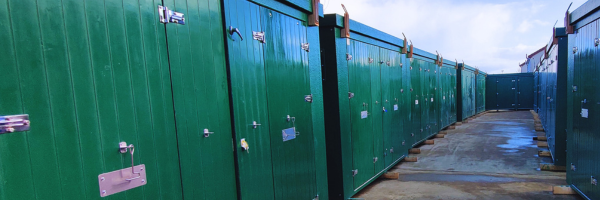
Chemical dosing is a good example of where the sector’s instincts have had to change. Treating every dosing installation as a bespoke, site-specific design feels rigorous, but at programme scale it becomes the bottleneck.
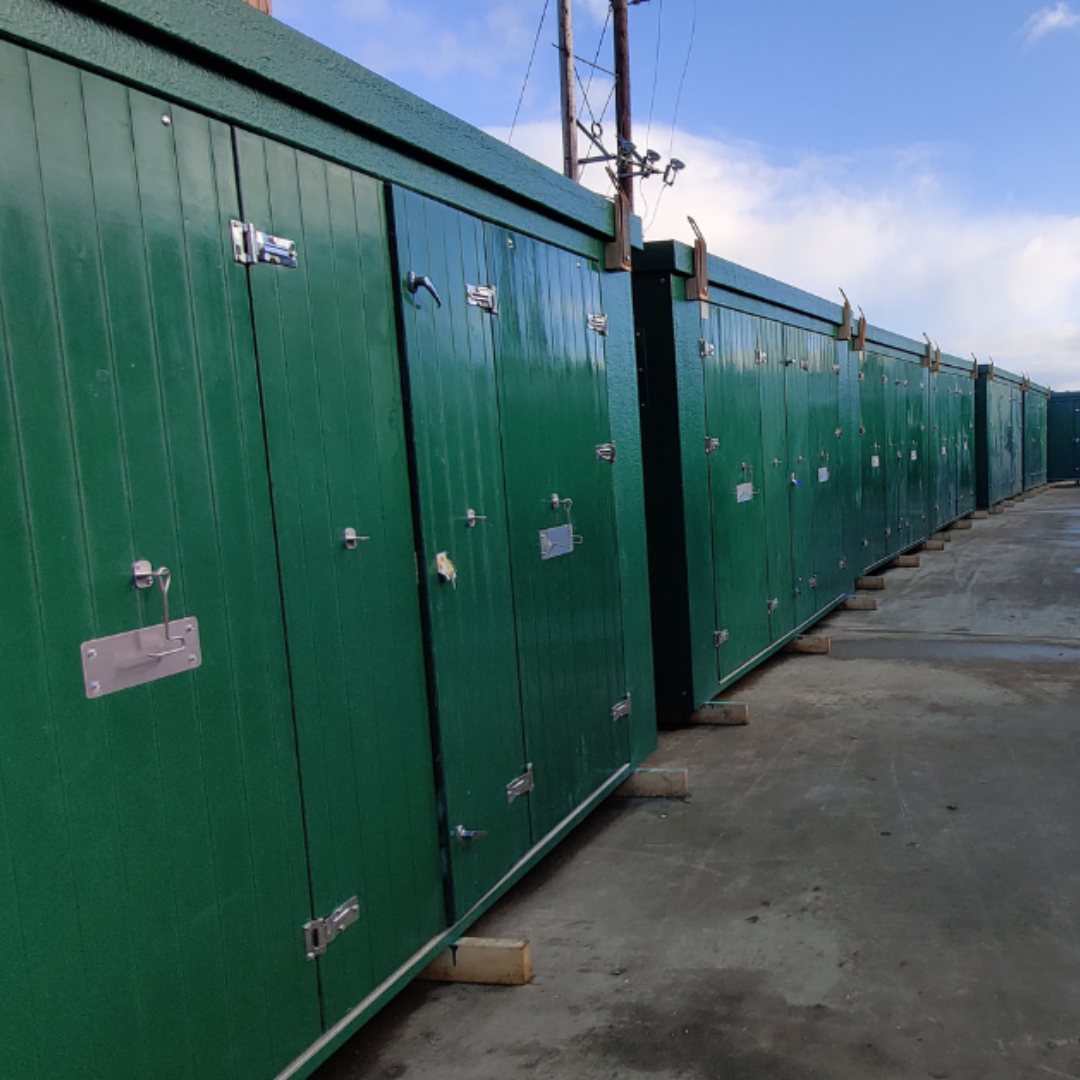
Working with Severn Trent, we helped move chemical dosing away from a bottom-up design model towards a standardised suite of pre-engineered, modular rigs. What began as an advance order for 115 units grew to 154 rigs; one of the largest single orders for dosing rigs in the UK. The aim was for the standard range to suit more than 80% of sites without modification; in practice, only 6% of sites needed design changes.
The point is not the size of the order. It is what a proven, repeatable design makes possible. Because units were built and held in advance, turnaround from order to site fell by around 60%, with deployment in two to three weeks rather than the three to six months typical of traditional dosing projects. That speed allowed Severn Trent to reach 80% of its Water Framework Directive programme by year three rather than year five.
The commercial case followed the engineering one. Advance procurement on the £15 million programme locked in pricing ahead of AMP7 inflation, which Severn Trent valued at £2.25 million in avoided cost, with more than £1 million in efficiency savings recorded across the first six sites alone. Delivery held up under pressure: 112 of the 154 rigs were delivered during 2024, 94 of them in the five months from May to October, coordinated across 14 Tier 1 and Tier 2 partners, with full compliance to specification and no defects affecting operation.
Crucially, none of this was a one-off. The same standard product philosophy has since been adapted for Welsh Water, Southern Water, Thames Water, Scottish Water and United Utilities. That is the real test of a proven solution: it transfers.
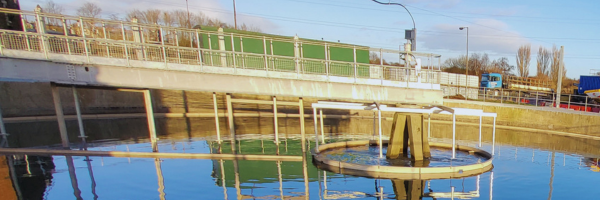
If chemical dosing shows the value of repeatability, bridge scrapers show the value of longevity.
A bridge scraper is not a glamorous asset. It moves through a settlement tank, day after day, moving settled sludge to the hopper so the rest of the process can do its job. Nobody writes headlines about it. But when it stops, the treatment works has a problem and replacing it is disruptive and expensive.
That is precisely why the engineering standard has to be long-term. Our bridge scrapers are designed for a 40+ year design life, built in-house to CE marking and WIMES compliance, and manufactured offsite to shorten installation windows and limit disruption on live sites. Practical details matter at that timescale: retractable arms, for instance, reduce the need for tank drain-downs during maintenance, keeping pressure off the rest of the works.
That track record is what underpins long-term client relationships. We have been designing and building scraper systems for over 20 years, and have been suppliers on key frameworks, covering design, supply, installation, testing and commissioning of rotating and travelling assemblies across primary, secondary and storm tanks. Frameworks of considerable length are not awarded on novelty. They are awarded on evidence.
Experience that can be replicated
At Colloide, we have always believed that successful engineering is measured by long-term performance, not by first installations.
The same principle runs through our lamella clarification systems, which have been deployed across multiple treatment works, giving utilities confidence that the same process can be replicated reliably from one project and operating environment to the next. Combined with DWI approval, that track record provides assurance that our technology has been independently assessed and proven in the applications it was designed for.
Across dosing, clarification and scraper systems, the thread is consistent: design once, prove it properly, then replicate with confidence.
For us, innovation has never been about developing technology for its own sake. It is about delivering solutions that keep performing long after commissioning is complete.
Looking ahead
The water sector will keep evolving, and innovation will remain central to that progress.
But as investment programmes accelerate and regulatory expectations rise, utilities will increasingly favour solutions that combine innovation with proven operational performance. In an AMP8 programme of this scale, delivery certainty is not a secondary consideration, it is the constraint that determines whether the investment lands at all.
Because, ultimately, the technologies that create the greatest value are not simply the newest ones.
They are the ones utilities know they can rely on.