

Bloomsbury Heat & Power Network Updates
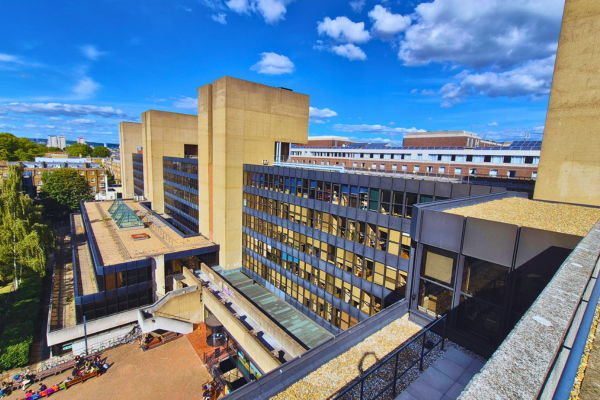
The Bloomsbury Heat and Power Network is a multi-million programme to decarbonise a long-established estate heat network serving the University of London, University College London and SOAS University of London. The network has operated for more than 80 years and serves over 50,000 students across the southern half of the Bloomsbury estate between Bedford Way and Gower Street. The project began in March 2025 and is scheduled for completion by 2030, with the estate aiming for a 99% reduction in carbon emissions and net-zero carbon across the network. A £7.2 million grant from the Green Heat Network Fund is supporting the transition to low-carbon heat.
Progress to date
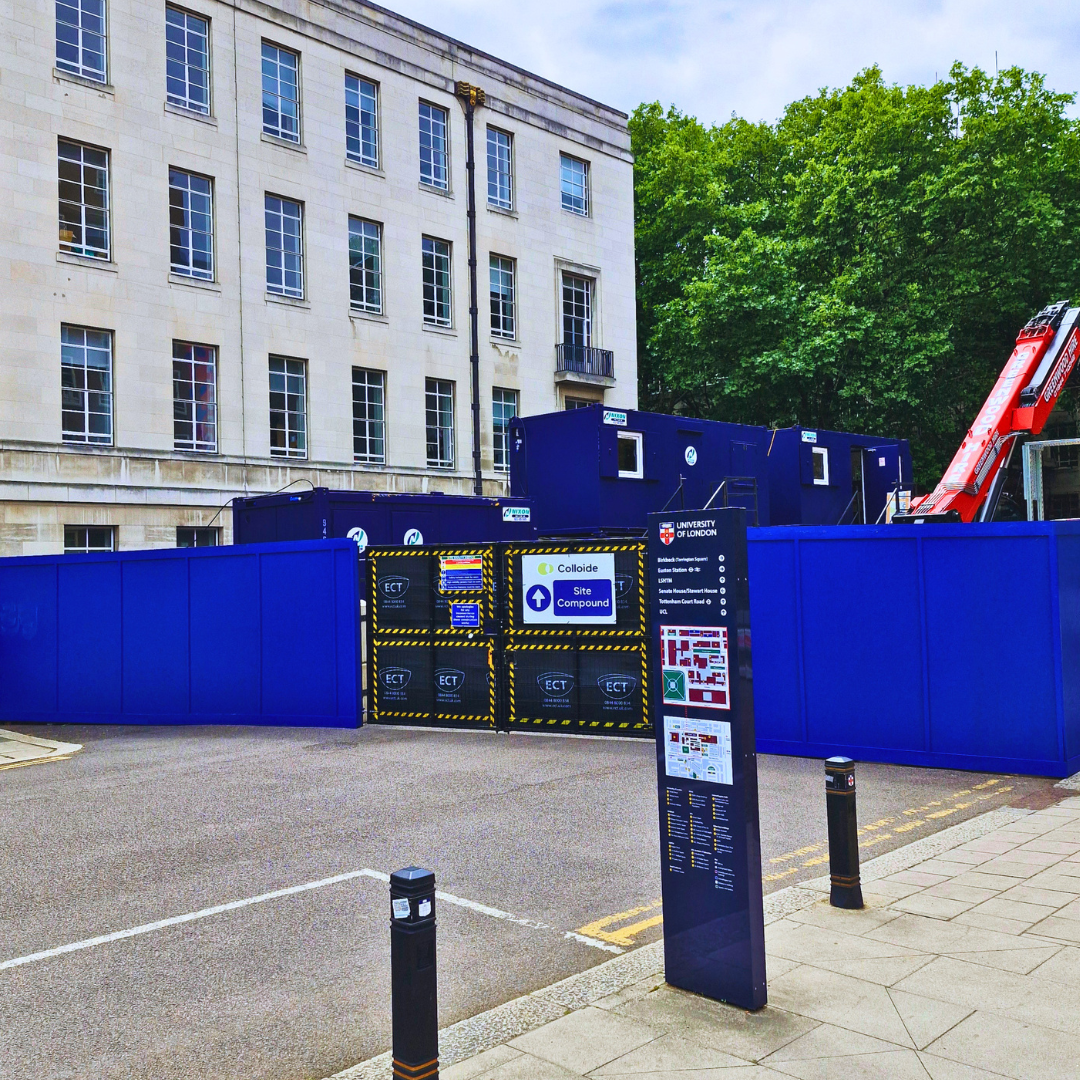
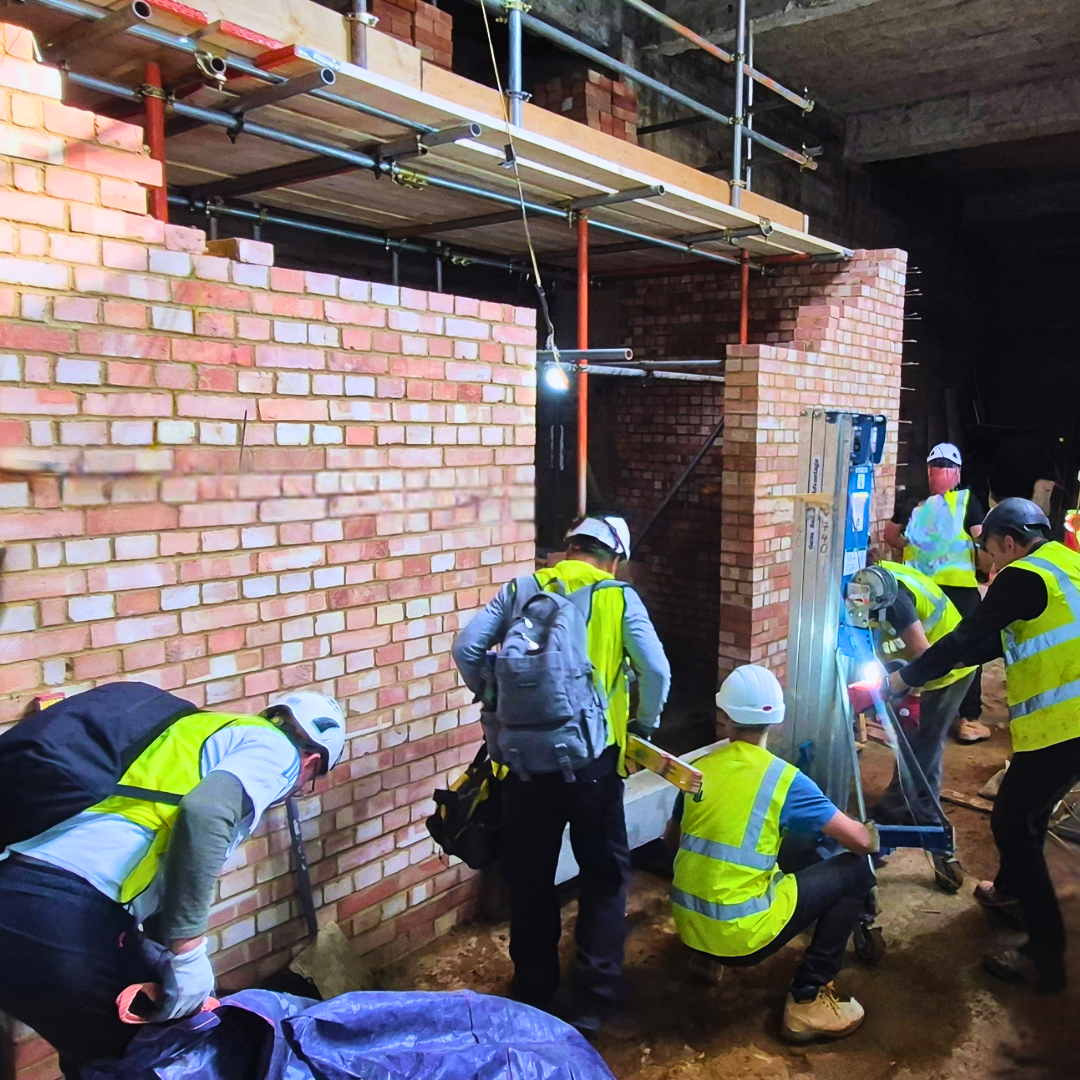
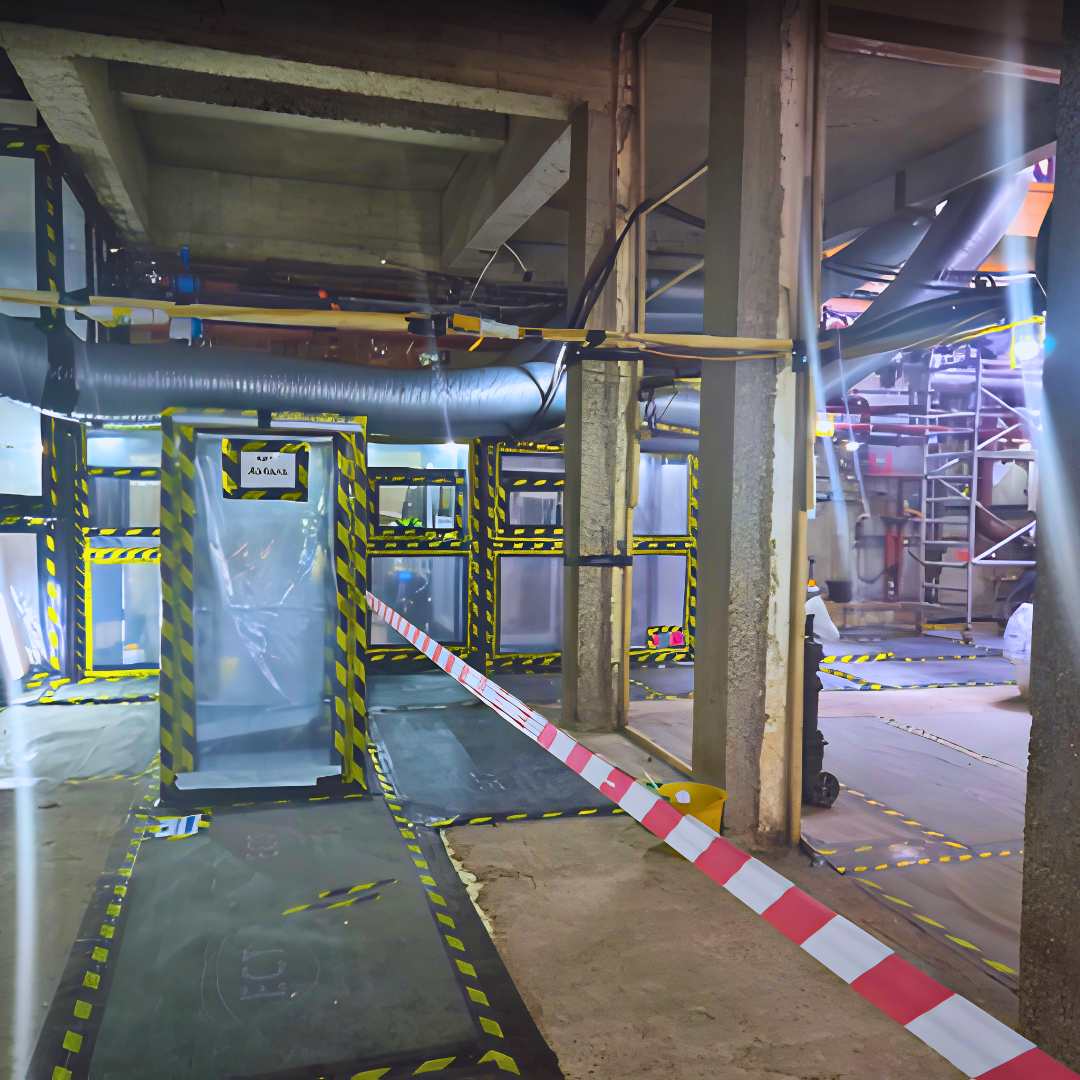
What the project involves
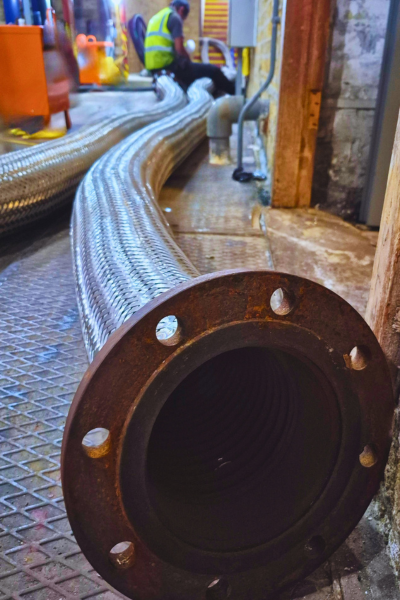
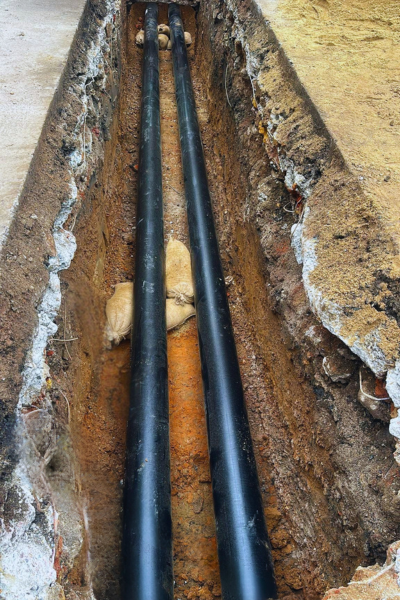
The programme replaces life-expired gas- and oil-fired plant with low-carbon air source heat pumps and electric boilers. Thermal storage also forms part of the replacement strategy, alongside upgrades to underground systems, new energy centres and improvements to building energy performance to reduce demand over time. The programme also includes civil, mechanical, electrical and controls integration works, with a central management system (CMS) coordinating the shared network.
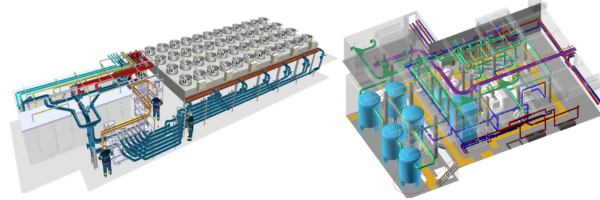
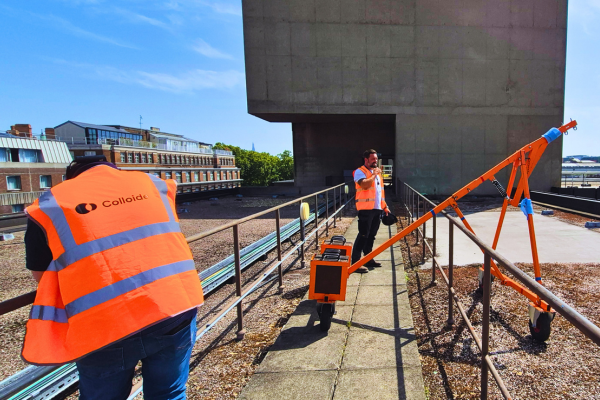
Current plans include four energy centres integrated into a shared heat network. The IoE Roof energy centre, one of four heat sources, will house 3.2MW of air source heat pumps and associated evaporators, transformers, switchgear and pipework. It is designed to meet the network’s full heat demand, with gas boilers retained to provide resilience and peak support during colder months.
The remaining centres are the SOAS Plantroom primary gas boiler energy centre, the North Heating Chamber electric boiler and thermal store hub, and the retained boiler plant at the SOAS Gallery. Electrical distribution will be supported by a UKPN RMU at the South Heating Chamber, feeding a new HV private wire network.
The significance of this project lies in the combination of asset replacement and system renewal. Bloomsbury is a live network decarbonisation programme that combines source plant replacement, buried infrastructure upgrades, HV electrical upgrades, new energy centre construction and demand-side improvement within one estate-wide scheme.
Colloide’s scope
We are contracted to decarbonise the Bloomsbury Heat and Power Network and to manage the contracts covering PCSA design works, enabling contract, main works and operation and maintenance. That means our role spans pre-construction, delivery and long-term support.
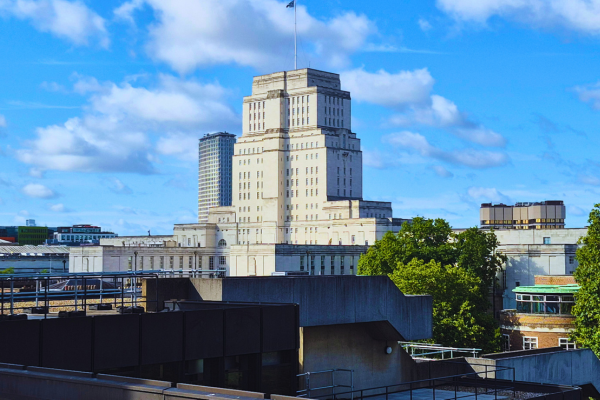
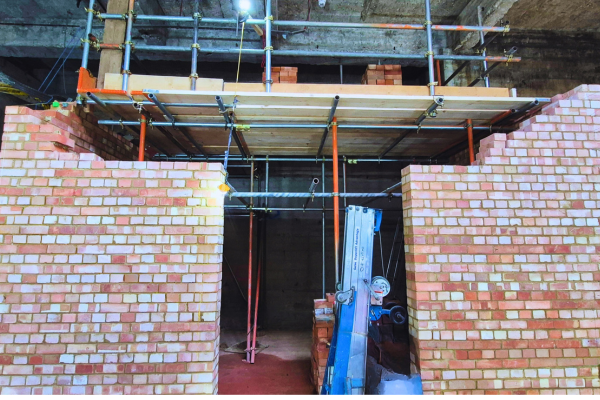
Our scope includes progressing the design from RIBA Stage 3 outputs to detailed RIBA Stage 4 plans. We are also coordinating civil, structural and architectural consultants. On the live estate, the work includes structural frame construction on top of an occupied eight-storey building to house major rooftop plant and associated services.
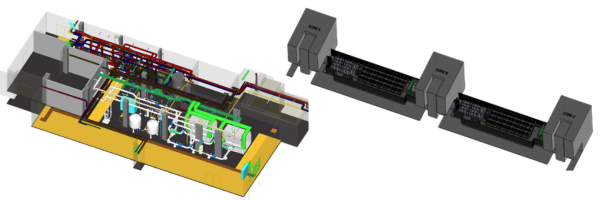
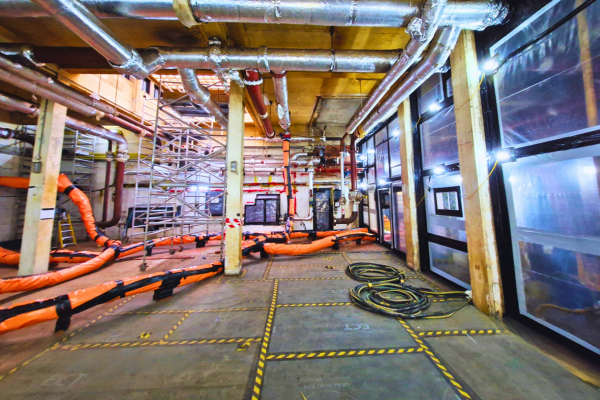
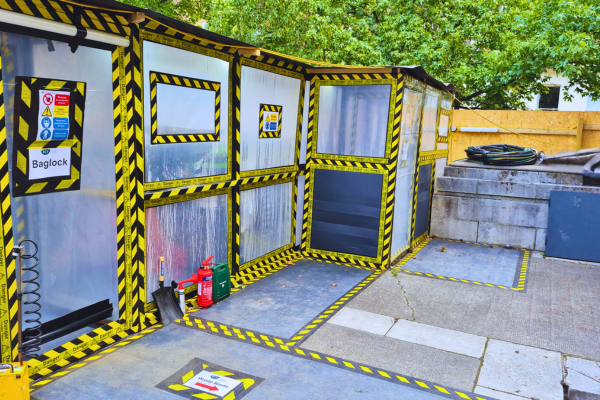
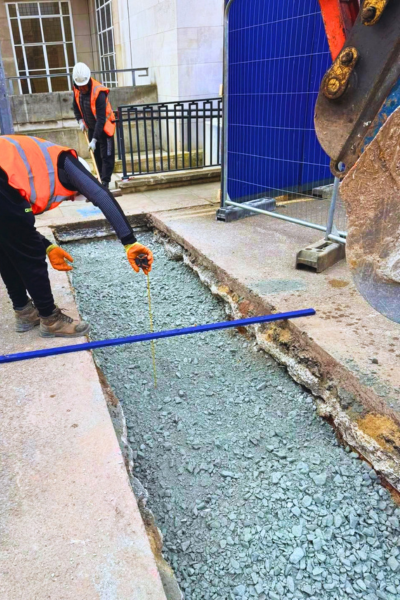
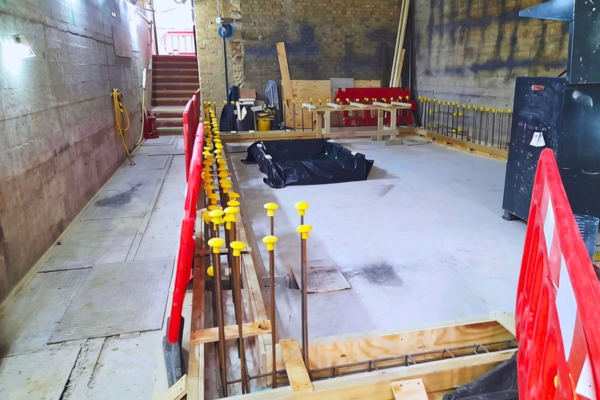
Across the programme, Colloide’s scope includes civils and enabling works, district heating network installation, mechanical energy centre installation, electrical infrastructure, controls and CMS integration, and testing, commissioning and handover.
The project also supports both existing and future network connections through scalable infrastructure, with possible expansion to institutions including Birkbeck and the London School of Hygiene and Tropical Medicine.
Delivery in a live, constrained estate
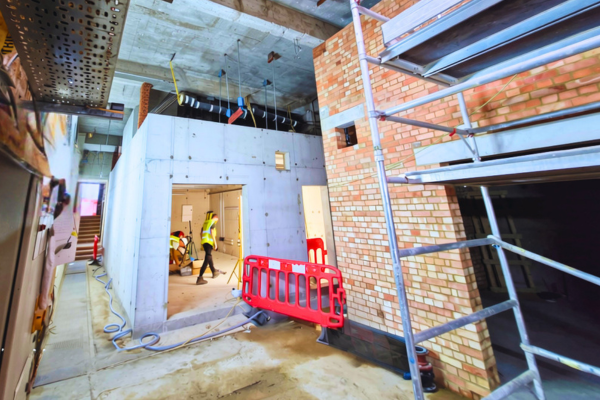
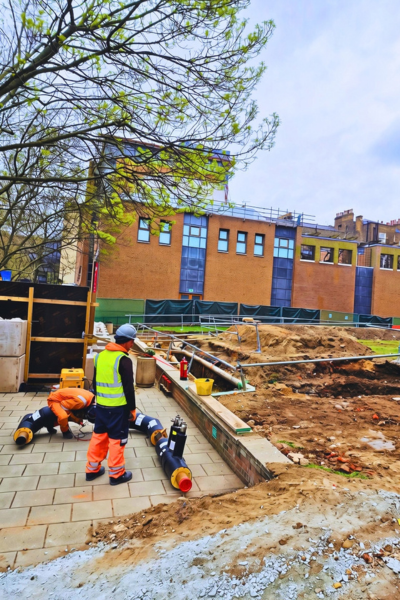
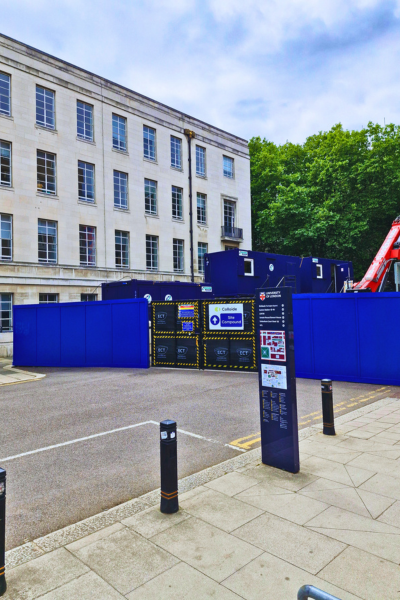
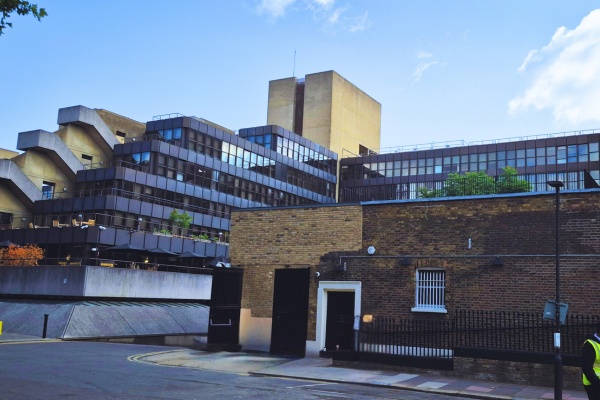
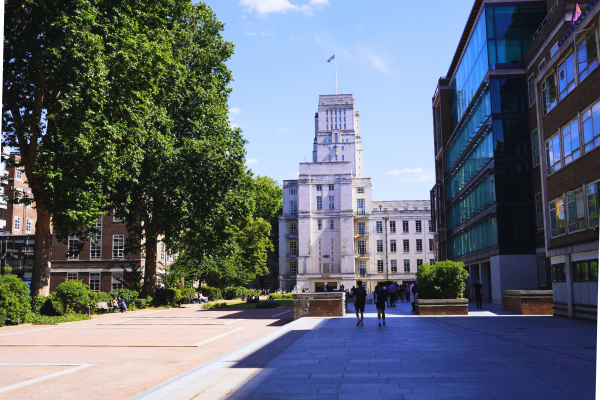
Bloomsbury is a dense central London estate with historic underground infrastructure and occupied academic buildings. That context drives the delivery model. The work has to be phased around teaching, student occupation and continuity of heat supply, while major infrastructure is removed and replaced.
Why this matters
Bloomsbury is relevant to organisations planning estate-scale and urban heat decarbonisation because it brings together the elements that usually determine whether a network can be upgraded without service failure: phased construction, legacy asset integration, clear contract management, multi-disciplinary design progression and operational continuity.
The technical case is also broader than heat source selection. Colloide’s wider district heating model is built around central energy centres, insulated flow and return networks, local substations, heat exchangers, instrumentation, control systems and central monitoring with remote access for operators. Colloide has expertise with multiple energy sources that can be integrated into a single energy centre, so the operator can select the most cost-efficient and sustainable source available to meet demand. This is important as network performance depends on systems integration, control and operation as much as on installed plant.
Bloomsbury shows how a legacy network can be decarbonised through a delivery structure that covers design development, enabling works, main works and eventual operation and maintenance within one programme. It also shows how future connections can be considered at the same time as current network renewal.
For organisations planning a similar transition, Colloide can provide support. Please get in touch.


Similar Posts
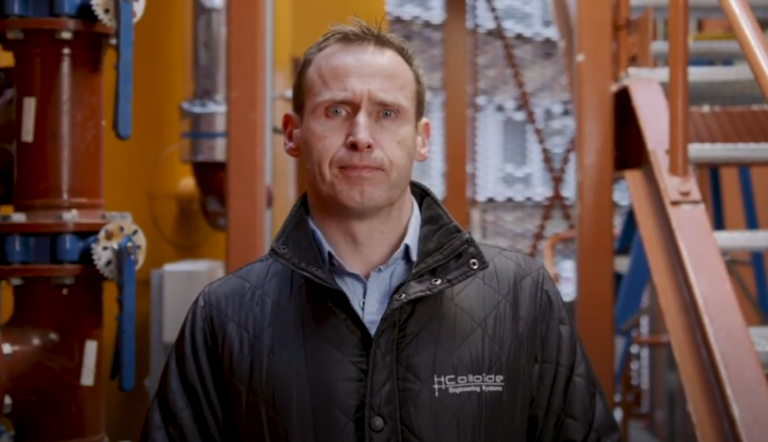
Bunhill 2 Energy Centre – Innovative District Heating
Read More

Viking Energy Network Jarrow Updates
Read More
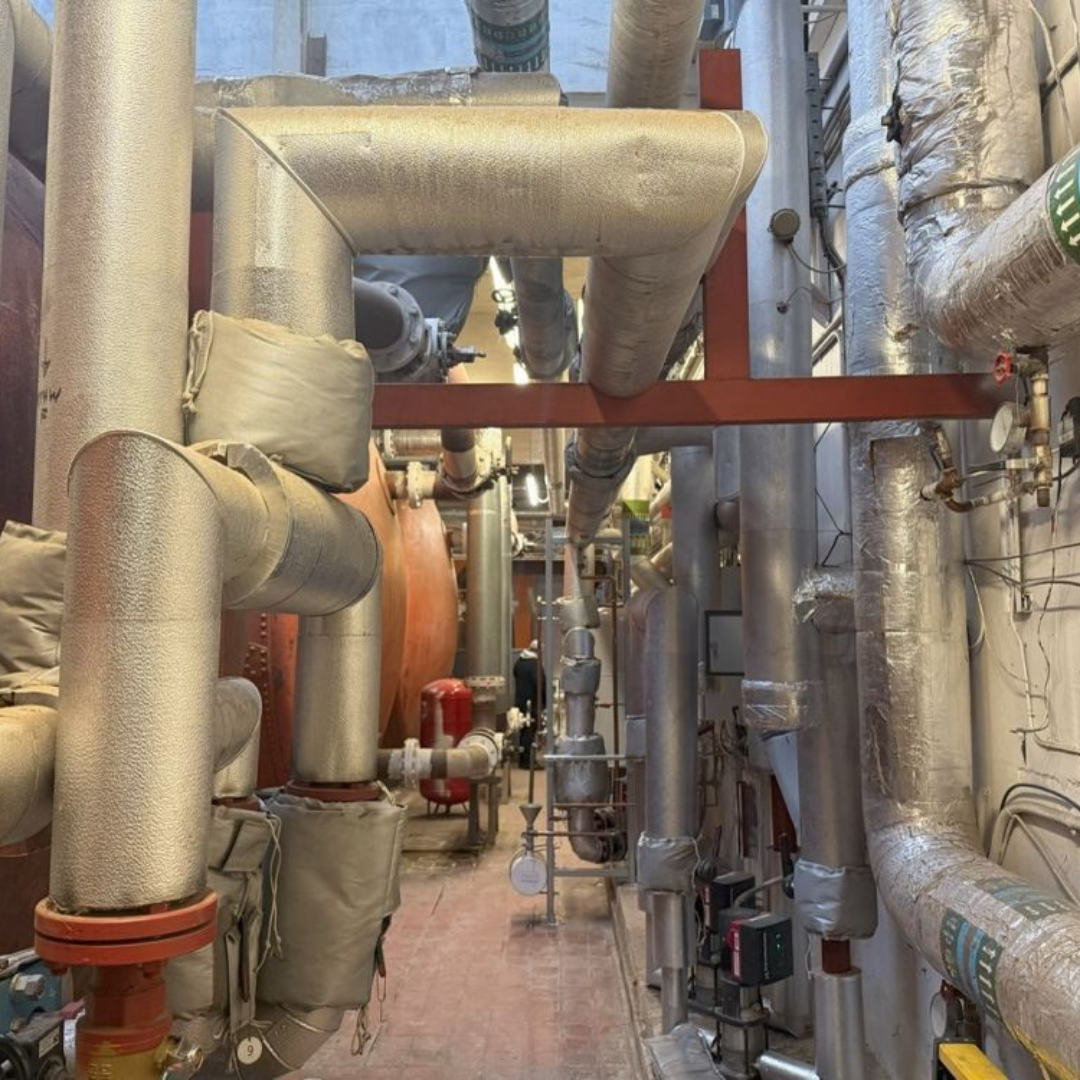
Colloide Awarded Contract to Decarbonise Bloomsbury Heat and Power Network
Read More
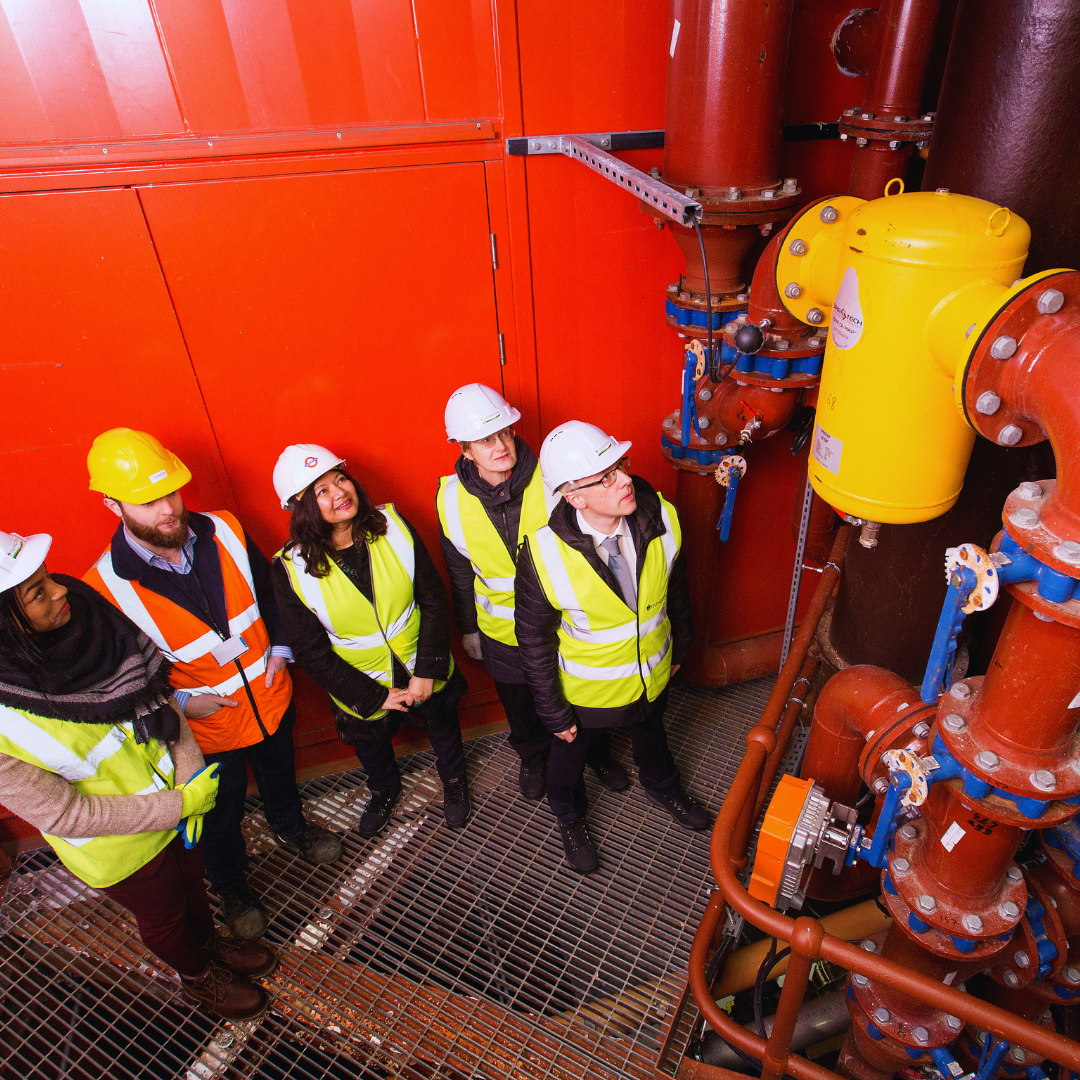
Colloide as Your D&B Delivery Partner
Read More
Colloide and Recirc Energy to Support Wastewater Heat Recovery Projects for District Heating
Read More
Get in touch
If you’d like to know more about the Bloomsbury Heat & Power Network
With more than 20 years across water, wastewater and renewable energy, Colloide brings process engineering capability to the core of every scheme.
Get in touch to discuss how we can support your next energy-centre or heat network project.