
Engineering a Low-Carbon Future
Our Role in Transforming Sustainability Goals into Reality
The UK’s Commitment to Decarbonisation
The engineering industry in the United Kingdom is at the forefront of the global transition towards low-carbon solutions, playing a pivotal role in addressing climate change and achieving sustainability goals. The UK government has set ambitious targets to reduce greenhouse gas emissions to net zero by 2050, meeting its obligations under the Paris Agreement. This commitment necessitates a comprehensive transformation across various industries, with engineering at its core.


Colloide's Role in Advancing Low-Carbon Engineering
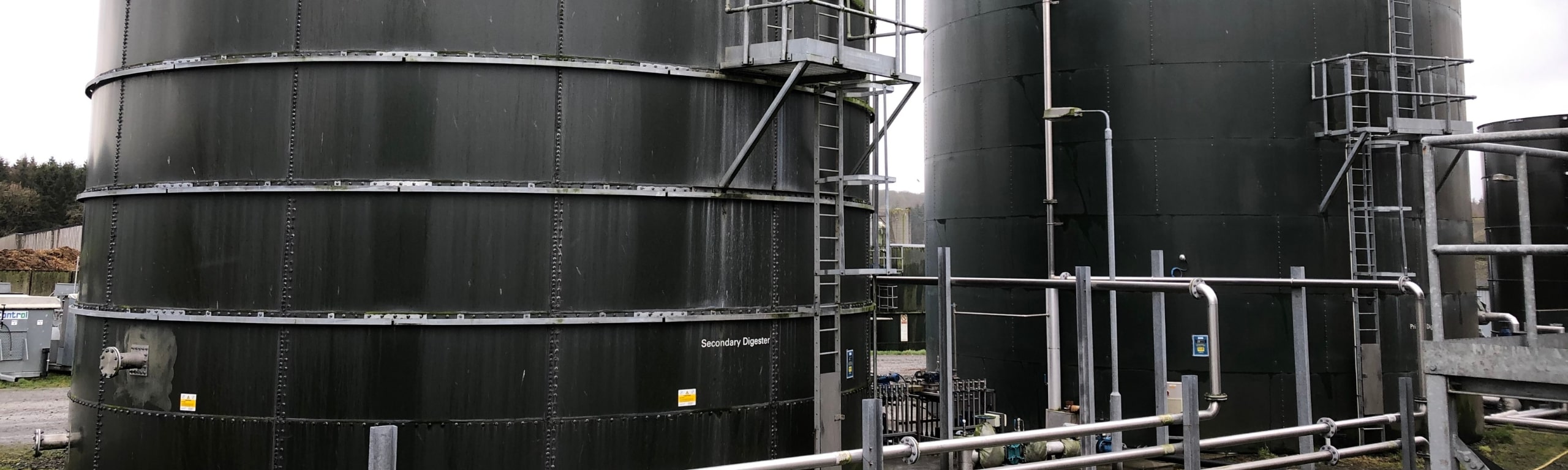
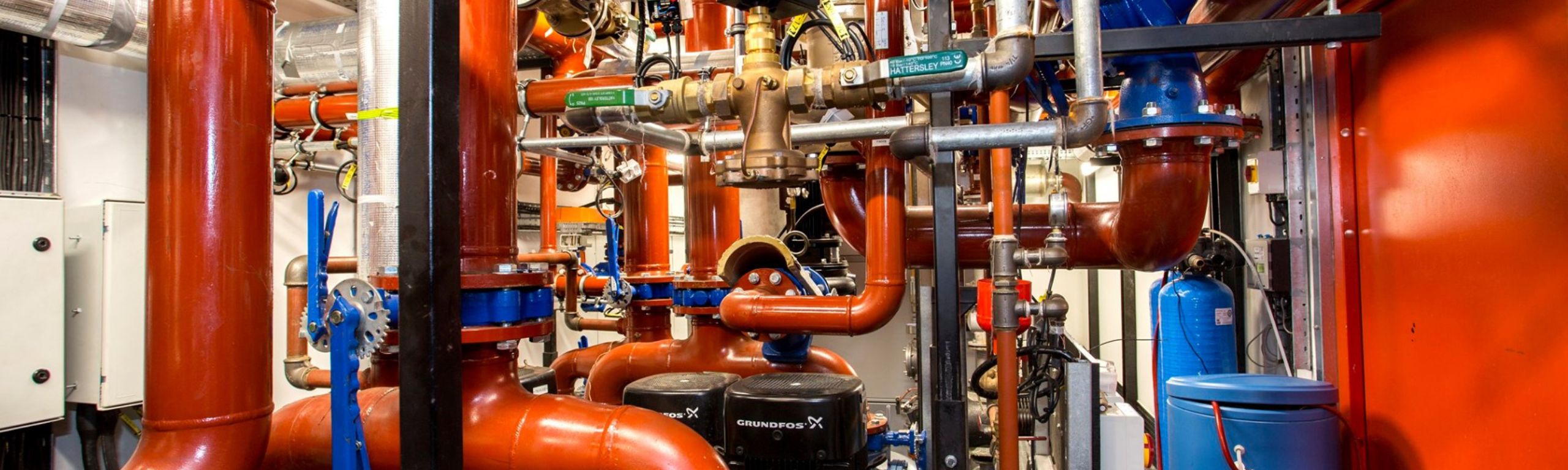
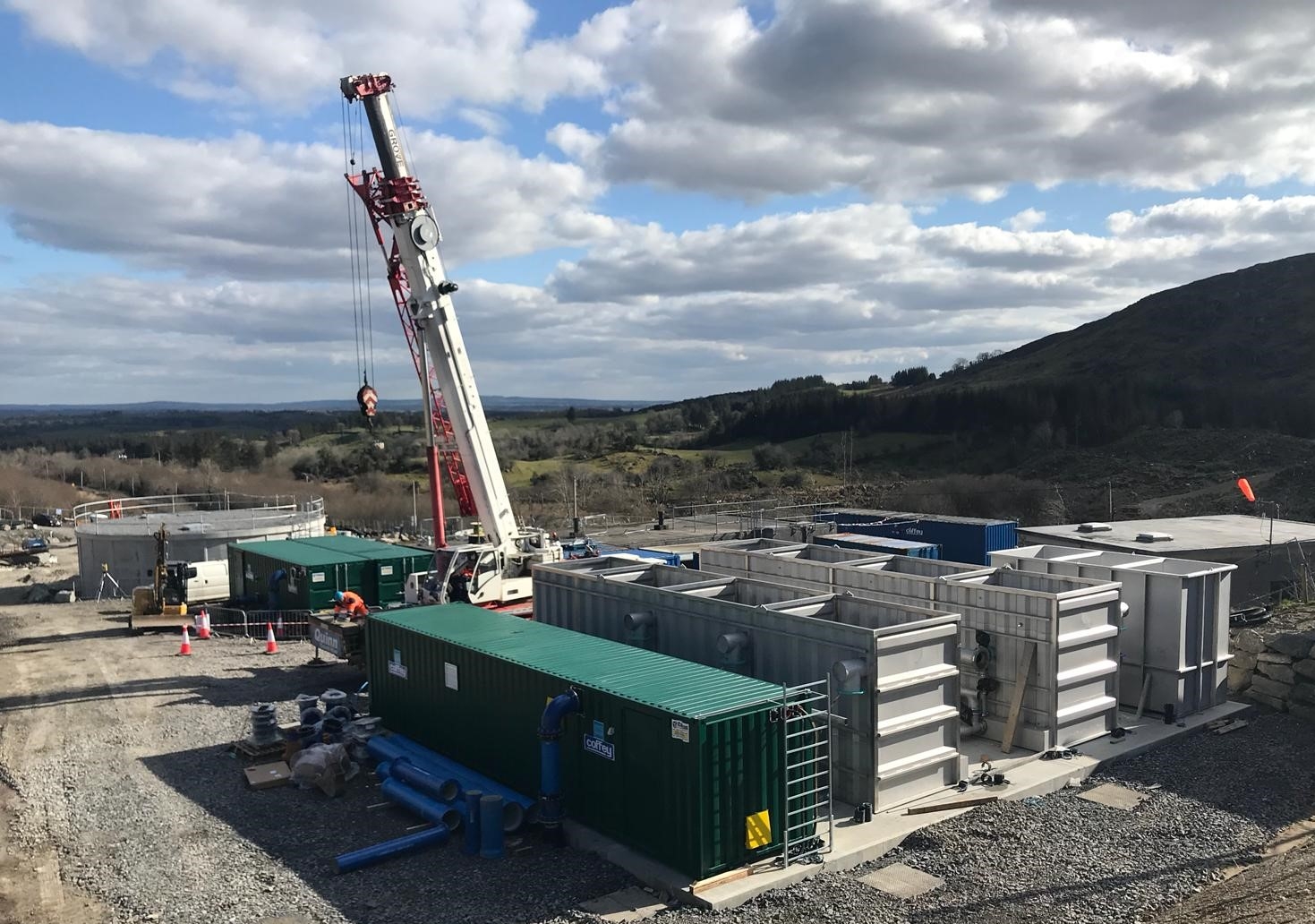
At Colloide, we are dedicated to innovating and implementing sustainable process engineering solutions that contribute to a low-carbon future. Our expertise spans water treatment, energy solutions, and facilities engineering, enabling us to deliver customised, eco-friendly systems that optimise energy use, and reduce waste through circular economy practices.
Our team monitor carbon systems to track emissions and ensure that each project is aligned with sustainability goals. By incorporating renewable energy sources, such as solar and biomass, and using low-carbon materials, Colloide aims to reduce the environmental impact of its infrastructure and operations. Through ongoing research and development, Colloide explores innovative engineering practices to stay at the forefront of sustainability. These efforts reflect Colloide’s commitment to creating a sustainable, low-carbon future.
Notable Projects and Initiatives
Focusing on environmental stewardship and innovation
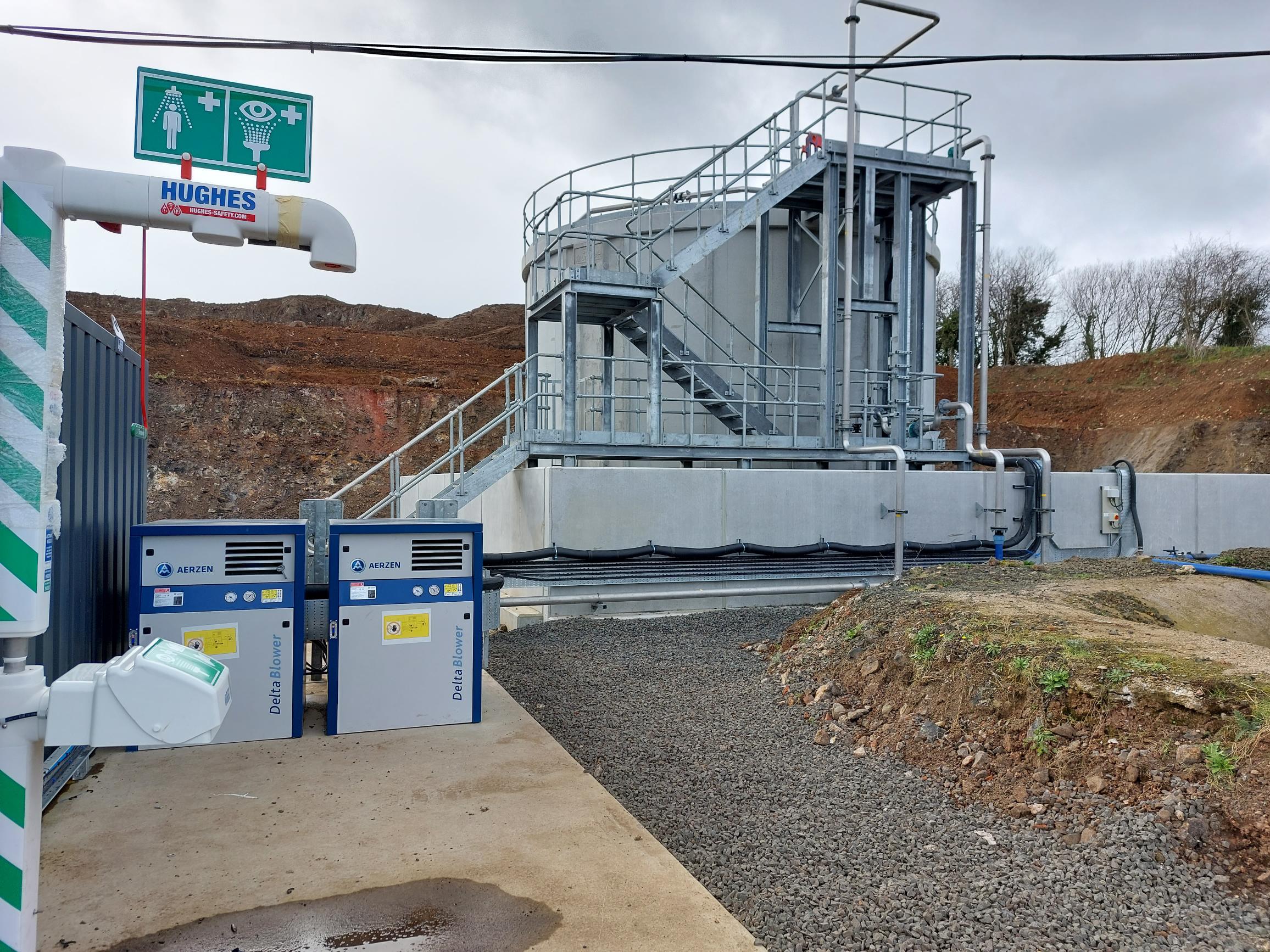
Collaborating for a Sustainable Future
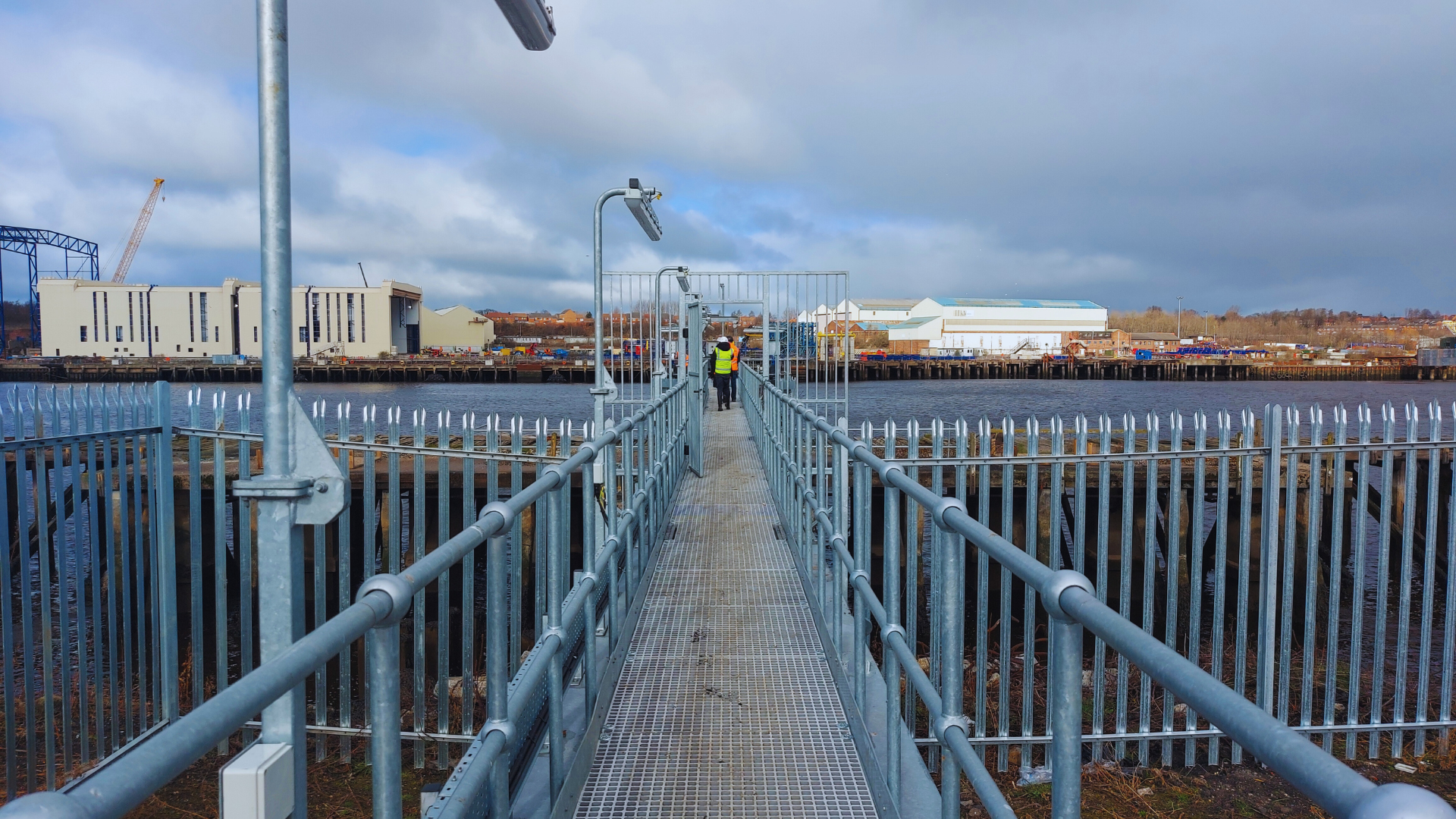
We were proud to be an approved supplier to the Net Zero Carbon Delivery Framework developed by Essentia Trading Limited (ETL), a subsidiary wholly owned by Guy’s and St Thomas’ NHS Foundation Trust. This collaboration underscores our commitment to supporting the healthcare sector in achieving its sustainability goals through energy-efficient and low-carbon solutions. Another example of green innovation and circular economy systems, is our key partnership with Sea Potential on the DUO Wave-Powered Desalination System (DUO DS). This system addresses global water purification in remote coastal areas and the aquacultural sector. The DUO system taps directly into ocean wave energy, converting wave motion into hydraulic pressure to power seawater through a reverse osmosis (RO) membrane, resulting in fresh, potable water. A great collaborative effort in redefining sustainable water treatment.
We are always open to collaborating on new systems, improving existing technologies, and welcoming new partners to join us in developing innovative solutions for a more sustainable future. Contact our team today!
The Path Ahead
As the UK continues its journey towards a low-carbon economy, the engineering industry must remain agile and innovative. At Colloide, we are committed to leading this transformation by delivering sustainable engineering solutions that not only meet the current demands but also anticipate future challenges. Our mission is to improve our world by innovating and implementing sustainable process engineering solutions, ensuring a brighter tomorrow for both people and the planet.
** All sources referenced in this blog are properly linked within the content. Images used are derived from these sources and are believed to be within the public domain or used under fair use principles. If you believe any material used in this blog infringes on your copyright, please contact us, and we will address the issue promptly. If you would like to be mentioned within this please contact [email protected]